Fall in Waco often means cooler nights without consistently cold days. That transition can change how mice and rats use the spaces around a house. Garages, attics, and wall voids provide protected routes and nesting areas, while stored food and outdoor clutter may make a property worth revisiting. Rodents do not wait for a freeze to move indoors; they take advantage of access whenever shelter and resources are available.
Effective fall rodent prevention starts with understanding those opportunities. Our technicians examine the entire property because removing an animal without identifying its access route can leave the same home vulnerable to another intrusion.

Why Rodents Target Waco Homes as Weather Changes
Seasonal weather influences rodent movement, but temperature is only one factor. Harvest activity, shifting outdoor food supplies, rainfall, and changes in household storage can affect where mice and rats forage. A shaded garage or quiet attic may become attractive even when afternoons remain warm.
Several conditions deserve attention during fall inspections:
- Garage storage: Cardboard, stacked belongings, and seldom-moved equipment provide concealed travel paths and nesting cover.
- Accessible food: Pet food, birdseed, and poorly secured pantry supplies can reward repeated visits.
- Exterior shelter: Thick vegetation and materials against a wall can conceal movement toward the building.
- Building gaps: Openings around utility penetrations, damaged door seals, and soffits may create usable entry routes.
- Water sources: Leaks and persistent damp spots can help sustain rodents near a structure.
Inside, homeowners may notice scratching after dark, droppings along walls, gnawed packaging, or shredded nesting material. These clues help indicate where activity is concentrated, although a professional assessment is needed to distinguish mice from rats and determine whether an infestation is established.
Our related article on rodent property damage describes why chewing and contamination can extend beyond the first visible signs. Recognizing activity before damage spreads can limit disruption and clarify what repairs, if any, need separate professional attention.
How Inspection and Exclusion Reduce Entry Opportunities
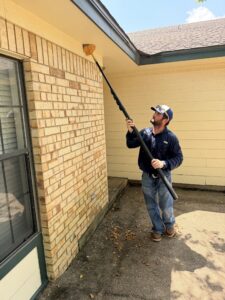
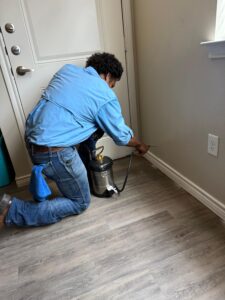
A rodent can exploit a small weakness that is almost invisible during an ordinary walk around the house. Effective prevention therefore depends on locating travel routes, not simply identifying where a mouse or rat was last seen. Our inspections focus on evidence, structural conditions, and the places rodents can move between outdoor shelter and interior spaces.
A thorough evaluation may include:
- Foundation transitions: Gaps where siding, masonry, and other materials meet can provide access near ground level.
- Garage thresholds: Worn seals or irregular door edges may allow movement into storage areas.
- Roofline features: Soffits, vents, and damaged trim can create openings leading toward attic spaces.
- Utility connections: Penetrations around pipes and cables require attention because they can connect hidden areas.
- Interior pathways: Rub marks, droppings, and gnawed materials help reveal established routes.
Once the source is understood, technicians can recommend minor exclusion work for accessible openings and identify larger repairs requiring a qualified contractor. Timing matters. Closing a route without considering active animals inside can create additional problems, so exclusion should be coordinated with an appropriate removal plan.
Professional trapping and secured bait stations may be considered according to the infestation, property layout, and risks to occupants or non-target animals. No single method is universally suitable. The aim is to connect rodent removal with corrected access conditions rather than treat each sighting as an isolated event.
Why Follow-Up Matters After Rodent Activity Declines
The absence of new scratching sounds is encouraging, but it does not prove every entry point has been addressed. Rodents can travel through places residents rarely inspect, and activity may shift when a favored route becomes unavailable. Follow-up monitoring helps determine whether control measures are working and whether new evidence has appeared elsewhere.
A practical long-term plan considers:
- Inspection records: Documenting where activity occurred makes later findings easier to compare.
- Treatment results: Trap activity and other observations can help technicians assess progress.
- Remaining vulnerabilities: Unrepaired openings or recurring food access may allow new rodents to enter.
- Contaminated spaces: Nesting material and droppings may require appropriate cleanup after animals are controlled.
- Seasonal changes: Continued observation helps account for new movement patterns as weather and property conditions change.
The choice of removal method also affects monitoring, placement, and safety. Our explanation of professional rodent control methods discusses how trapping and rodenticide bait stations involve different considerations. That decision belongs within a property-specific plan, alongside exclusion and sanitation guidance.
Homeowners benefit most from knowing what was found, what work was completed, and which structural issues still need attention. This inspection-led approach makes fall prevention more reliable and reduces the chance that a temporary decline in sightings will be mistaken for a lasting solution.
Keep Your Home Off the Rodent Route
If you suspect mice or rats are entering your Waco home, contact Cen-Tex Pest Control for a professional rodent inspection. Our team can evaluate access points, recommend appropriate control, and explain the follow-up needed to reduce repeat activity.