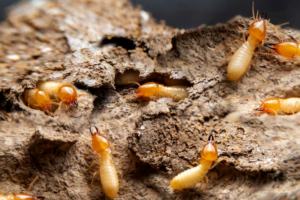
A newly built home may look flawless from the outside, but termites are not concerned with fresh paint, modern flooring, or recently installed framing. If the surrounding conditions allow access to moisture and wood, termite activity can begin long before homeowners notice any warning signs.
That is why termite pre-treatment has become an important part of modern construction and long-term property protection. Instead of waiting for visible damage to appear years later, pre-treatment focuses on creating a protective barrier during the early stages of construction.
For many property owners, termite control is easier and more effective when preventive steps begin before the structure is fully completed. Early protection may help reduce future infestations, structural concerns, and expensive repair costs tied to hidden termite activity.

Why New Homes Still Face Termite Risks
Many homeowners assume new construction automatically means lower termite risk. Unfortunately, termites do not avoid newer properties. In some cases, construction activity may temporarily disturb nearby colonies and increase termite movement around freshly developed areas.
Wood framing, soil contact, moisture accumulation, and landscaping conditions can all contribute to future infestations if preventive measures are not established early.
Several conditions may increase termite exposure around new homes:
- Soil contact creates possible access points. Termites often travel from underground colonies into wooden structures
- Moisture attracts termite activity. Damp conditions may support long-term infestations
- Construction gaps allow hidden entry. Small openings can create pathways into structural areas
- Landscaping materials influence pest pressure. Mulch and wood debris may encourage termite movement
- Early infestations remain difficult to detect. Activity often develops quietly behind walls and flooring
Because termites usually remain hidden for long periods, infestations may continue spreading before visible warning signs appear. That hidden activity is one reason preventive termite control strategies are often recommended during construction instead of after damage develops.
How Termite Pre-Treatment Works During Construction
Termite pre-treatment usually takes place before concrete slabs are poured or during early construction phases when soil and framing areas remain accessible.
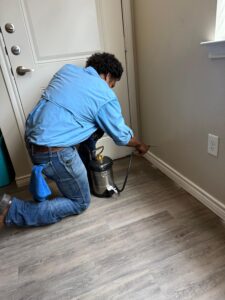
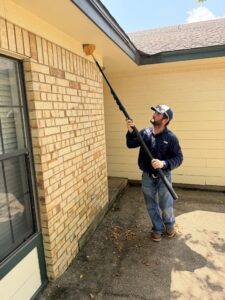
The process often involves applying approved treatment products to the soil surrounding foundation areas and structural entry points. These applications help create a protective zone designed to reduce termite access beneath and around the structure.
Pre-treatment plans may vary depending on property layout, soil conditions, and local termite pressure.
Several important steps are often involved during pre-treatment:
- Soil applications create protective barriers. Treated zones help reduce termite movement near foundations
- Foundation areas receive focused attention. Entry points often develop around structural connections
- Construction timing affects treatment access. Early applications improve coverage before completion
- Property conditions influence treatment plans. Soil composition and moisture levels may affect the strategy
- Preventive planning supports long-term protection. Early treatment helps reduce future infestation risks
Professionals also evaluate surrounding environmental conditions that may increase termite pressure after construction is complete. Drainage concerns, wood-to-soil contact, and moisture-prone areas often play an important role in future termite activity.
Why Ongoing Monitoring Still Matters
Even after successful pre-treatment, ongoing termite control remains important because environmental conditions continue changing over time.
Heavy rainfall, landscaping updates, foundation settling, and moisture problems may eventually affect previously treated areas. Long-term protection often depends on continued inspections and monitoring to help identify new vulnerabilities early.
Several factors may influence future termite risk:
- Moisture conditions change gradually. Water intrusion may increase termite attraction over time
- Structural settling creates new openings. Small foundation shifts can affect protection barriers
- Landscaping updates alter pest pressure. Exterior changes may create additional termite access
- Hidden activity develops quietly. Termites often remain unnoticed inside structural areas
- Regular inspections improve early detection. Monitoring helps identify concerns before damage spreads
Property owners sometimes ask whether preventive services should remain ongoing after construction ends. The answer often depends on environmental conditions, local termite activity, and property-specific risk factors. Understanding different service plan options may help clarify how long-term protection strategies work after pre-treatment is completed.
The Value Of Professional Planning And Documentation
Termite pre-treatment involves more than applying products beneath a structure. Accurate planning, documentation, treatment timing, and proper application methods all contribute to the effectiveness of the process.
Professional termite control providers often coordinate directly with construction schedules to help ensure proper coverage before foundations and structural components become inaccessible.
Several important details support successful pre-treatment planning:
- Treatment timing affects accessibility. Early coordination improves application coverage
- Documentation supports future inspections. Service records help track previous treatment history
- Property layouts influence application methods. Different structures may require different strategies
- Local termite pressure affects recommendations. Regional activity often shapes treatment planning
- Long-term flexibility improves ongoing protection. Future monitoring may help maintain effectiveness
Homeowners also benefit from understanding what service agreements may include after construction is complete. Reviewing important contract flexibility details can help clarify long-term expectations for monitoring and future service adjustments.
Why Early Termite Protection Makes A Difference
Termites rarely create immediate visible damage. Instead, infestations often spread quietly through wooden structures over long periods before warning signs become noticeable.
That is why pre-treatment remains one of the most proactive termite control strategies available for new homes. Addressing termite risks early helps create an added layer of protection before colonies have the opportunity to establish activity inside the structure.
When combined with ongoing inspections and environmental monitoring, pre-treatment can support stronger long-term protection against hidden infestations and structural damage.
Building Long-Term Protection From The Start
Professional evaluations can help determine the most appropriate termite pre-treatment strategy based on construction plans, soil conditions, and long-term property goals. Contact Cen-Tex Pest Control to learn more about preventive termite-control solutions for new homes and developing properties.