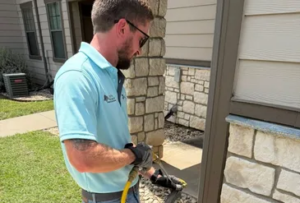
When building a new home, most homeowners focus on design, layout, and structural integrity. Yet one critical factor often overlooked during construction is termite protection. Termites are responsible for billions of dollars in property damage each year, and once they’re inside, repairs can be both costly and invasive. The most effective way to avoid termite-related headaches is to implement termite control measures before the home is even completed.
New construction offers a unique opportunity to treat soil, materials, and entry points before termites have a chance to gain a foothold. Builders and pest control experts can work together during key phases of construction to lay down long-lasting barriers that termites cannot bypass. Early prevention not only saves money but also helps preserve the home’s long-term value and safety.
In this article, we’ll explore essential pre-construction termite control strategies, including treatment timing, best practices, and how to reduce risk through early intervention.
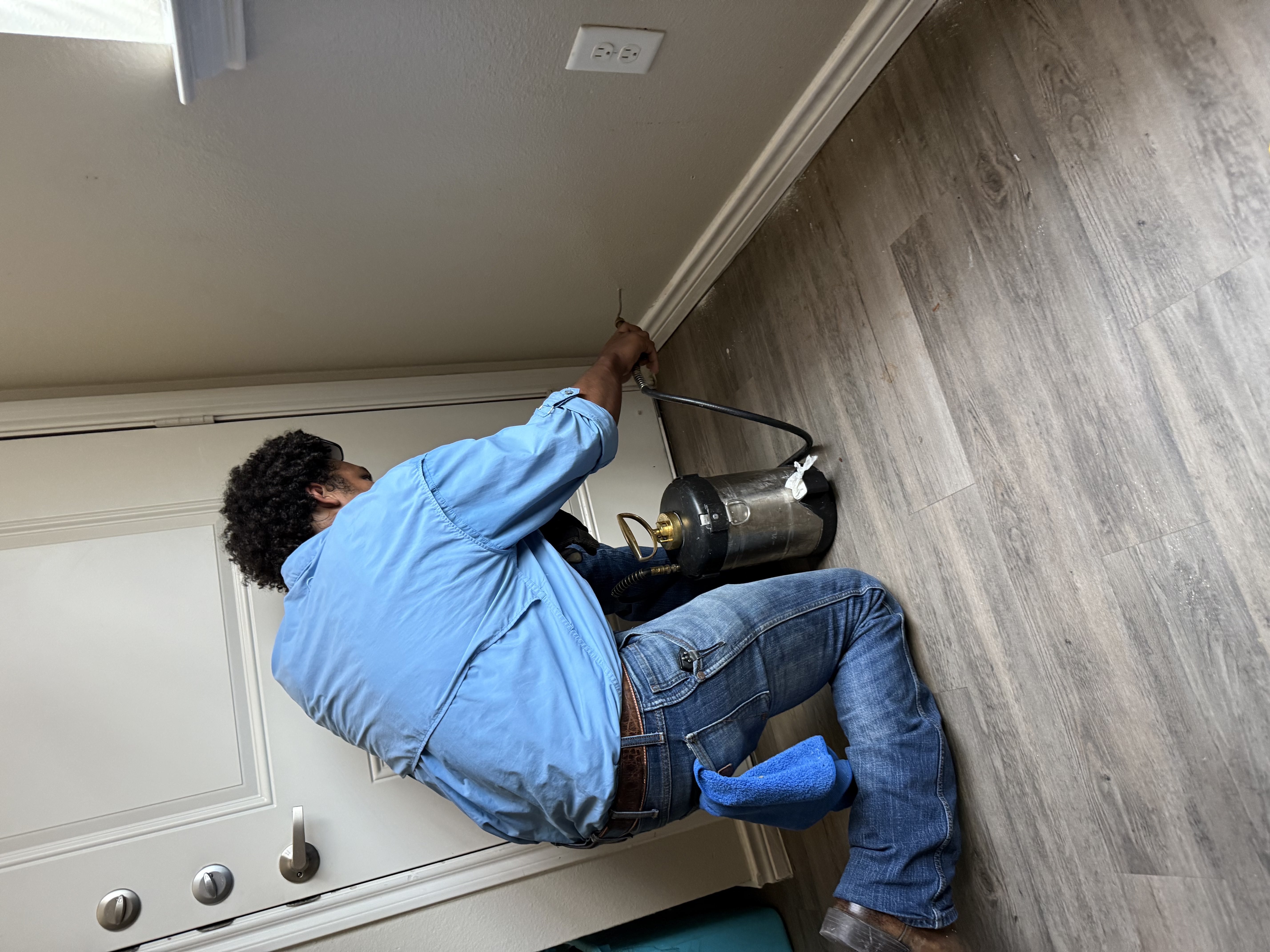
Why Termite Prevention Must Start Early
The structure of a home begins long before the first wall goes up. Termites are soil-dwelling insects that rely on ground contact to find wood and cellulose. When foundations are poured and framing begins, untreated ground becomes a potential highway for termite activity. Skipping termite control during this phase creates future vulnerabilities that are harder to address once the house is finished.
Without early treatment, termite infestations may go unnoticed for months or even years. During that time, they can silently consume support beams, subfloors, and wall studs. Repairs often require removing walls, treating hidden colonies, and replacing damaged wood, an expensive and disruptive process.
Builders and homeowners who prioritize early prevention benefit from:
- Cost-effective treatment options
- Longer-lasting protection against infestations
- Fewer complications with future repairs
- Compliance with local building codes or lending requirements
- Peace of mind knowing the home has a solid termite defense
Understanding termite risks in Central Texas makes early action a crucial step in home planning.
Best Practices for Pre-Construction Termite Treatment
There are several proven methods to protect a home against termites before construction is complete. These options vary depending on the site, materials used, and builder preferences, but all share one goal: to prevent subterranean termites from reaching the structure.
The most common termite control strategies for new builds include:
- Soil treatment – Applying termiticide to the soil beneath and around the foundation to create a chemical barrier
- Bait systems – Installing termite monitoring stations near the construction perimeter to detect activity before colonization
- Physical barriers – Incorporating sand, mesh, or other materials that physically block termites from entering through the ground
- Borate wood treatments – Treating framing lumber with borate solution to deter termite feeding once construction begins
- Foundation insulation protection – Ensuring that foam insulation and other foundation elements are not installed in ways that attract termites or hide activity
Timing is key for each method. Soil treatments are typically done before pouring concrete slabs, while borate applications occur just before drywall installation. Professionals work closely with builders to coordinate treatment and inspection milestones.
Construction Design That Reduces Termite Risk
While chemical treatments are effective, thoughtful home design also plays a role in minimizing termite problems. Choices made during the design phase can reduce moisture buildup, limit soil-to-wood contact, and prevent hidden termite access points. These adjustments don’t compromise aesthetics or function; they simply add a protective layer to your investment.
Design considerations that help include:
- Raising the foundation to allow for ventilation and inspections
- Avoiding direct soil contact with wood siding or support beams
- Installing metal flashing around deck posts and steps
- Using termite-resistant materials in vulnerable areas
- Designing proper drainage systems to prevent water pooling
Moisture is a major attractant for termites. Homes that trap water near the foundation or experience frequent leaks are at greater risk. Incorporating passive protections like these not only improves termite resistance but also enhances overall structural resilience.
Regular Inspections Still Matter
Even the best pre-construction treatment doesn’t offer permanent immunity. Over time, termiticide barriers degrade, soil conditions shift, and nearby colonies may move closer to the home. That’s why regular inspections remain an important component of ongoing termite control.
Homeowners should plan to schedule:
- A full termite inspection at least once per year
- Additional checks after landscaping or grading work
- Evaluations after flooding, plumbing leaks, or heavy rainfall
- Inspections before and after renovations or home additions
Routine monitoring ensures that signs of termite activity are detected early. Trained professionals can spot issues the untrained eye may miss, including tiny mud tubes, discarded wings, or hollow-sounding wood. As highlighted in this discussion on why routine pest inspections are important, early detection leads to faster, less invasive treatments.
Working with Professionals During Construction
Collaboration between contractors, pest specialists, and homeowners is key to long-term termite protection. While some builders offer basic treatments, working with a licensed pest control provider ensures a more comprehensive approach tailored to the region’s specific termite threats.
Pest professionals bring value by:
- Advising on the best treatment based on local soil types
- Scheduling applications at critical build phases
- Using approved products that meet construction codes
- Offering documentation required for mortgage and insurance purposes
- Recommending follow-up services and monitoring systems
Attempting to cut corners or delay treatment until after move-in can lead to serious consequences. Professionals are equipped to provide long-term coverage, warranty-backed services, and peace of mind that DIY methods cannot match.
Lay the Groundwork for a Pest-Free Home
The fight against termites begins before your first wall is raised. Smart planning, effective soil treatment, and thoughtful design all help safeguard your investment. For expert guidance and support in protecting your future home from the ground up, contact Cen-Tex Pest Control. Our team can help you build smarter and defend stronger.