Commercial environments demand a higher level of pest control precision. Unlike residential settings, these spaces operate on tight schedules, strict regulations, and constant human activity. From restaurants to office buildings and warehouses, pest management must be discreet, effective, and consistent.
This is where modern pest control technologies have reshaped how professionals approach infestations. Today’s solutions focus less on blanket treatments and more on targeted, data-driven strategies that adapt to each commercial setting.

Smart Monitoring Systems That Detect Activity Early
One of the most significant advancements in pest control technologies is the use of smart monitoring systems. These tools allow professionals to track pest activity in real time, reducing the need for reactive treatments.
Instead of waiting for visible signs, technicians can detect patterns early and respond before infestations grow.
- Digital trapping systems. Devices equipped with sensors can alert technicians when pest activity is detected.
- Remote monitoring access. Data can be reviewed without frequent on-site inspections, improving efficiency.
- Activity trend tracking. Patterns over time help identify recurring problem areas within a facility.
- Discreet placement. Monitoring tools are designed to blend into commercial environments without disrupting operations.
Early detection is critical in commercial spaces where even minor pest activity can affect reputation and compliance.
Precision Application Methods For Targeted Control
Modern pest control technologies have also improved how treatments are applied. Precision is now a central focus, allowing professionals to address infestations without unnecessary exposure.
These methods are especially important in environments where safety and cleanliness are non-negotiable.
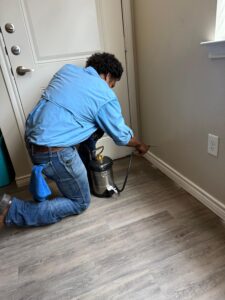
- Micro-application techniques. Treatments are applied in small, controlled amounts directly where pests are active.
- Crack and crevice targeting. Specialized tools reach hidden areas where pests nest and travel.
- Reduced chemical footprint. Focused application minimizes the amount of product used while maintaining effectiveness.
- Surface-specific treatments. Different materials receive tailored approaches to ensure compatibility and performance.
This level of accuracy allows pest control to integrate seamlessly into commercial operations without interrupting daily activity.
Integrated Pest Management In Commercial Settings
Integrated Pest Management, often referred to as IPM, is a cornerstone of modern pest control technologies. It combines multiple strategies into a cohesive system designed for long-term control rather than short-term fixes.
- Inspection-driven planning. Each service begins with a detailed evaluation of pest activity and environmental conditions.
- Preventative measures. Structural adjustments and sanitation improvements reduce the likelihood of infestations.
- Targeted intervention. Treatments are applied only where necessary, based on real data and observation.
- Continuous monitoring. Follow-up visits ensure that pest activity remains under control over time.
IPM is particularly effective in commercial spaces because it adapts to changing conditions, whether that involves seasonal pest patterns or shifts in building use.
How Technology Supports Seasonal And Environmental Awareness
Pest behavior is closely tied to environmental conditions. Modern pest control technologies now incorporate seasonal awareness into treatment planning, allowing professionals to anticipate activity before it becomes problematic.
For instance, certain pests tend to surge after periods of rain or humidity shifts. This pattern is explored further in our blog discussing pests after seasonal rains, where timing plays a major role in control strategies.
By aligning technology with environmental awareness, pest control becomes more proactive and less reactive.
Why Professional Expertise Drives Technology Effectiveness
While pest control technologies continue to evolve, their success ultimately depends on how they are used. Tools and systems provide valuable data, but interpretation and execution require experience.
Professionals understand how to translate monitoring results into actionable strategies. They recognize patterns, identify vulnerabilities, and adjust treatments based on real-world conditions.
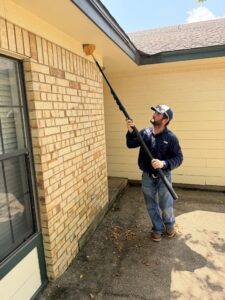
Outdoor areas also require strategic planning, especially in commercial properties with landscaping. Managing pest pressure at the perimeter can significantly reduce indoor issues, which is why approaches like perimeter pest treatments are often part of a broader solution.
In commercial environments, this expertise is essential. A single oversight can lead to recurring infestations, operational disruptions, or compliance issues. Technology enhances the process, but it does not replace the need for skilled decision-making.
A Smarter Direction For Commercial Pest Control
Modern pest control technologies have transformed how commercial spaces are protected. From smart monitoring systems to precision application methods, these advancements allow for more efficient, targeted, and reliable pest management.For a strategic approach built on both innovation and expertise, connect with Cen-Tex Pest Control and explore how advanced solutions can support your commercial space.