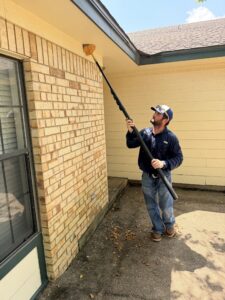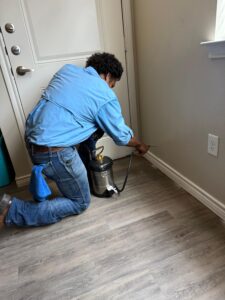
Fall in Central Texas does not bring an immediate end to pest activity. Warm afternoons, cooler nights, irrigation, seasonal rain, and changing outdoor food sources can all influence where insects and rodents move. Some pests remain active outside, while others begin using garages, kitchens, attics, wall voids, storage areas, and other protected spaces more frequently.
Our team approaches fall pest control by looking at both the pest and the conditions supporting it. Ants, large cockroaches, spiders, crickets, silverfish, earwigs, mosquitoes, rodents, termites, bed bugs, flies, fire ants, fleas, and bee-related concerns can all require different inspection and treatment strategies. Knowing where these pests tend to hide helps us identify developing problems before they become harder to manage.

Ants, Roaches, And Crawling Pests Seek Moisture And Shelter
Ants and large cockroaches can stay active well into fall when food, water, and warmth remain available. Ant trails may appear near kitchens, bathrooms, patios, foundations, or irrigated landscaping, while large cockroaches often favor drains, garages, utility areas, mulch, and shaded exterior spaces. Crickets, silverfish, and earwigs may also move toward cooler, protected areas as outdoor conditions change.
Our guide to late-summer pest pressure explains why heat, dry stretches, storms, and irrigation can concentrate pests around dependable moisture and shelter before fall fully arrives.
Common hiding areas include:
- Cabinets and appliance gaps where food and warmth are available
- Plumbing areas, drains, and utility spaces with steady moisture
- Mulch, landscape beds, and shaded foundation edges
- Cracks around doors, windows, and utility penetrations
- Garages and storage areas with low-disturbance shelter
- Bathrooms, closets, and other protected spaces used by silverfish or earwigs
These areas can stay favorable even when outdoor temperatures begin to ease, which is why repeated sightings should be evaluated rather than dismissed as isolated activity.
Rodents, Spiders, And Other Pests Use Quiet Protected Spaces
Mice and rats can become more noticeable as fall approaches because garages, attics, wall voids, and storage spaces offer reliable shelter. Droppings, gnaw marks, nesting material, and nighttime sounds can point to hidden activity. Spiders may also become more visible where insect prey gathers near lights, eaves, garages, and sheltered corners.
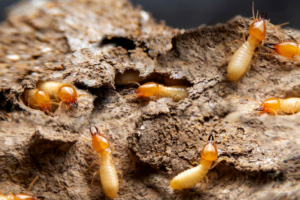
Termites can remain active when soil moisture and temperature are favorable, while bed bugs are less dependent on outdoor weather and may persist anywhere people rest. Fleas can continue around pets and resting areas, and flies may remain active near waste, food residue, and organic material.
Fall activity can also shift within the same property. A garage may show rodent evidence while damp landscaping supports insects outside, so our technicians compare multiple areas before deciding whether the problem is localized or connected.
Fall inspection points include:
- Attics and garages for rodent droppings, gnawing, or nesting
- Wall edges and storage spaces for repeated rodent movement
- Exterior lights, eaves, and corners for spider webs
- Foundation areas for termite evidence or moisture concerns
- Beds and upholstered furniture for bed bug signs
- Pet-resting zones for flea activity or recurring bites
Each pest requires a different response. Treating every sighting the same way can waste time and leave the actual source untouched.
Seasonal Pressure Can Keep Outdoor Pests Active Into Fall
Mosquitoes, fire ants, bees, and other outdoor pests may remain active during warm fall periods. Standing water in gutters, containers, low spots, and irrigated landscaping can support mosquitoes, while shaded shrubs and tall grass provide resting sites. Fire ants can remain active in warm soil, and bee activity may continue around structural voids or sheltered exterior spaces when colonies are present.
Our article on DIY pest problems explains why surface treatment can create false confidence when nests, colonies, breeding sites, or entry points remain hidden. Professional inspection helps connect visible activity with the conditions allowing pests to persist.
A fall prevention review may include:
- Checking standing water around gutters, containers, and drainage areas
- Inspecting patios, lawns, and landscape edges for fire ant activity
- Watching eaves, wall voids, and exterior openings for bee movement
- Reviewing door seals, vents, and utility penetrations for pest entry
- Tracking repeated sightings by location and time of day
- Scheduling follow-up when activity returns after a one-time treatment
The goal is not to eliminate every outdoor insect. It is to reduce concentrated activity around entrances, outdoor living areas, and other high-use spaces while addressing indoor risks before pests settle deeper into the structure.
Fall pest control works best when inspection, targeted treatment, exclusion, monitoring, and follow-up support one another. One-time service may be enough for a small, isolated issue, but recurring ants, cockroaches, rodents, mosquitoes, termites, or other pests often indicate that favorable conditions remain.
Our team uses evidence to decide whether moisture control, entry-point correction, trapping, perimeter treatment, yard service, or another approach is appropriate. That makes the plan more precise and reduces reliance on repeated short-term reactions.
Keep Fall Pest Pressure From Settling In
If pests are becoming more active around your property this fall, contact Cen-Tex Pest Control for professional pest control focused on inspection, targeted treatment, prevention, and long-term monitoring.