DIY pest control can seem like a simple way to handle ants in the kitchen, roaches near a drain, mosquitoes around the patio, or rodents in the garage. A store-bought product may reduce what is visible for a few days, but Central Texas pest problems often run deeper than the first sighting. Heat, humidity, seasonal rain, older structures, trees, and fields can all support recurring activity.
Ants may be trailing from an outdoor colony. Roaches may be hiding behind appliances. Rodents may be using a gap near the foundation. Termites may be active before damage is obvious. Bed bugs, mosquitoes, flies, bees, fire ants, fleas, and other household pests require different inspection and treatment approaches.

Visible Pests Do Not Reveal The Source
Most DIY efforts begin where pests are seen. That is understandable, but it often misses where pests are living, entering, or breeding. A line of ants on a counter does not show the full colony. A roach in a bathroom may point to moisture behind a wall. A rodent sighting may connect to an exterior opening far from the room where it appeared.
- Ants may return if trails and colony pressure are not addressed.
- Roaches can hide in drains, cabinet voids, and warm appliance areas.
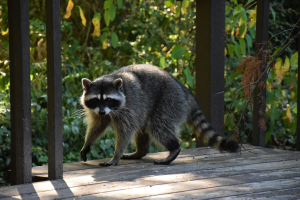
- Rodents may keep entering if gaps remain open.
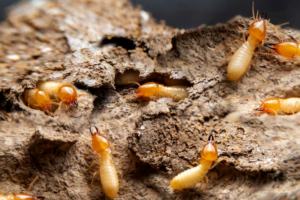
- Termites can damage wood quietly before homeowners see warning signs.
Professional inspection connects visible activity with hidden conditions. That makes treatment more precise and less dependent on guesswork.
One-Time Products Often Miss Recurring Pressure
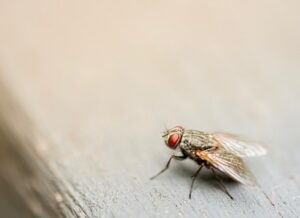
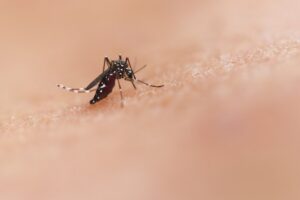
Central Texas properties can face steady pest pressure because weather, landscaping, and structural conditions change throughout the year. A one-time spray may reduce activity briefly, but it may not address why pests are returning. This is especially true for ants, roaches, mosquitoes, flies, rodents, termites, bed bugs, fleas, fire ants, and bee-related concerns.
Understanding when recurring service makes sense is important because some pest issues need ongoing monitoring. A one-time response may be enough for a small, isolated issue with a clear source. However, recurring activity, hidden infestations, structural vulnerabilities, and seasonal pressure often need a more consistent plan.
The real cost is not only the product purchased. It is the time spent repeating the same problem without knowing whether the source is still active.
Incorrect Identification Can Lead To The Wrong Plan
Different pests require different strategies. Treating every pest the same way can waste time and allow the issue to spread. Termites require inspections and treatment planning focused on wood, soil, and structural risk. Rodents require entry-point review and exclusion thinking. Bed bugs require detailed inspection of resting areas and belongings. Mosquitoes require water-source and resting-site evaluation.
- Flying insects may be bees, flies, mosquitoes, or other pests with different risks.
- Roach activity may require a moisture and harborage review, not only surface treatment.
- Fire ants need different attention from common indoor ants.
- Fleas may involve pets, resting areas, and repeated life-stage activity.
Professional pest control starts with identification. Once the pest is confirmed, the treatment can match the biology, behavior, location, and risk level involved.
DIY Treatments Can Create False Confidence
A temporary drop in visible activity can make homeowners believe the problem is solved. Unfortunately, pests may still be active in hidden spaces. Store-bought products may affect pests on contact while missing nests, eggs, colonies, entry points, or breeding sites. In some cases, activity shifts to another area, making the problem harder to track.
This is why professional methods often outperform casual treatments. A deeper look at professional pest service shows why inspection, targeted application, monitoring, and follow-up matter. The most effective plan is not necessarily the strongest-smelling product. It is the one that reaches the right place for the right reason.
False confidence can delay full-property evaluation. That delay can increase cost, stress, and pest spread.
Long-Term Protection Requires A Local Strategy
Central Texas pest activity is shaped by local weather, building styles, soil conditions, vegetation, and seasonal movement. A home near open land may face different rodent or fire ant pressure than a property near dense trees or standing water. A restaurant, apartment, or office may need a different plan from a single-family home.
- Inspect foundations, doors, garages, vents, and utility openings regularly.
- Watch moisture near kitchens, bathrooms, drains, gutters, and exterior walls.
- Track repeated sightings by room, time, and pest type.
- Schedule professional support when activity returns after short-term treatment.
General pest control, bed bug service, ant control, fly control, beehive service, mosquito control, rodent control, termite control, roach service, flea control, and fire ant service work best when the plan is based on evidence. A source-based approach helps identify what is active, where it is coming from, and what level of follow-up is needed.
Stop Guessing And Start Solving The Source
When diy pest control keeps producing the same sightings, the real issue is often hidden behind walls, outside the structure, or within recurring seasonal pressure. For inspection-based guidance and targeted protection that fits Central Texas conditions, contact Cen-Tex Pest Control for professional support tailored to your property.