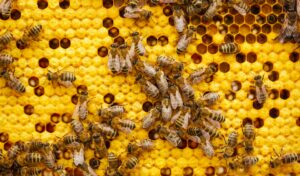
A beehive near a home can create a difficult situation. Bees are important pollinators, but a colony inside a wall, soffit, shed, tree cavity, fence line, or busy yard area may place people and pets too close to defensive activity. The level of risk depends on the species, hive location, colony size, and how often the area is disturbed.
Professional bee control begins with careful identification and inspection. The visible bees may represent only the entrance to a much larger hidden hive, so the next step should be based on evidence rather than a quick surface response.
Hive Location Changes the Level of Risk
A colony in a distant tree may require a different response from one beside a doorway, patio, play area, or window. Bees are more likely to become a safety concern when normal household activity repeatedly crosses their flight path or disturbs the structure around the hive.
Higher-risk locations include:
- Wall voids, soffits, vents, and roof edges connected to indoor spaces.
- Sheds, fences, and tree cavities near children, pets, or visitors.
- Patios, walkways, doors, and windows used throughout the day.
- Utility areas or equipment that creates vibration near the colony.
- Elevated areas that make inspection and access more difficult.
A professional assessment considers the hive, nearby traffic, access conditions, and the safest way to proceed.
Disturbing a Hive Can Trigger Defensive Activity
Bees may respond strongly when they sense vibration, pressure, sudden movement, or interference near the colony. Lawn equipment, construction, pets, ladders, and attempts to strike or spray the hive can increase the chance of stings.
The limitations of DIY pest methods are especially important around stinging insects. A product aimed at visible bees may not reach a hive concealed behind siding or inside a wall. It may also cause activity to shift into another opening or toward occupied areas.
The safest immediate response is to keep people and pets away from the location and allow trained professionals to identify what is present. Correct identification matters because a swarm, an established bee hive, and another stinging insect nest may require different plans.
Hidden Comb Can Create Problems After Activity Declines
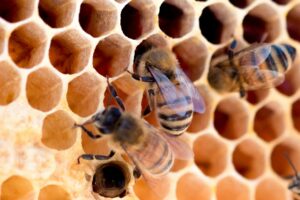
A reduction in flying bees does not always mean the entire problem has been resolved. Comb, honey, brood, wax, and hive debris may remain inside a wall or other protected space after visible activity changes.
Possible follow-up concerns include:
- Honey or wax leaking through walls, ceilings, or exterior surfaces.
- Odors developing from abandoned organic material.
- Ants, flies, rodents, roaches, or other pests entering the area.
- New bees investigating an untreated cavity or old hive material.
- Staining, moisture, or structural damage around the former hive.
A complete bee control plan evaluates whether cleanup, access repair, sealing, or follow-up monitoring is needed. Simply closing an opening without confirming that the colony is gone can trap bees inside or redirect them toward interior rooms.
Safe Removal Requires More Than Protective Clothing
Bee hive work may involve heights, narrow access points, wall voids, electrical areas, or structural materials that must be opened carefully. Protective clothing is important, but it does not replace knowledge of bee behavior, hive construction, treatment placement, and cleanup requirements.
Homeowners can review bee hive safety to understand why distance, timing, and professional evaluation matter. An established hive may extend far beyond the visible entrance, and treating the wrong location can leave the colony active.
A professional inspection may include:
- Tracking entry and exit patterns from a safe distance.
- Determining whether the activity involves bees or another stinging insect.
- Evaluating the hive location, size, accessibility, and nearby risks.
- Selecting a removal or treatment method suited to the structure.
- Planning cleanup, repairs, exclusion, and follow-up when needed.
This inspection-based approach reduces guesswork and helps protect both the property and the people using it.
Long-Term Bee Control Includes Prevention and Monitoring
After a hive has been addressed, the surrounding structure should be reviewed for conditions that may invite future activity. Open soffits, damaged vents, wall gaps, roofline cavities, sheds, and fence openings can offer protected nesting space.
A long-term plan confirms that bee activity has stopped, addresses residual hive material when needed, repairs openings after the colony is inactive, and monitors areas where bees have returned before. Nearby structures may also need inspection for similar sheltered cavities.
Prevention should be specific to the property. Pollinator-friendly landscaping does not automatically create a dangerous hive, but repeated bee traffic into a structural opening deserves professional attention.
The purpose of bee control is not to treat every bee seen outdoors. It is to identify when a colony has formed in a location that creates a real safety or property concern, then use a measured response that addresses the hive, remaining materials, and future access.
Give a Hidden Hive the Right Next Step
When bee activity develops near walls, rooflines, sheds, patios, or other high-use areas, a careful inspection can clarify the risk. Contact Cen-Tex Pest Control for professional bee control focused on safe evaluation, targeted service, cleanup needs, and long-term prevention.