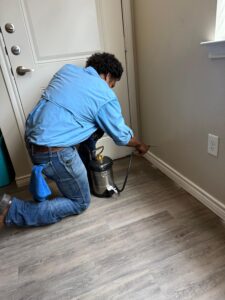
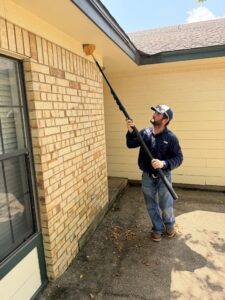
A beehive on or near a home should always be taken seriously. Bees can be beneficial pollinators, but a hive in a wall void, soffit, shed, tree cavity, fence line, or high-traffic yard area can create safety concerns for families, pets, visitors, and neighbors. The risk is not only the number of bees. It is also where the hive is located, how active it is, and how easily people may disturb it.
Bee hive removal requires calm evaluation, proper equipment, and an understanding of bee behavior. Homeowners should avoid treating a hive like an ordinary nuisance insect issue. A poorly handled hive can trigger defensive activity, leave honeycomb behind, create odor problems, or cause bees to relocate into harder-to-reach spaces. Professional help is often the safest and most efficient path, especially when the hive is close to doors, windows, patios, play areas, or indoor spaces.

Identify The Location Before Taking Action
The first step is understanding where the bees are entering and how active the hive appears. Bees may be visible around an opening even when the full hive is hidden behind siding, inside a wall, under roof edges, or in a tree cavity. The visible cluster is only part of the concern.
- Watch where bees enter and exit from a safe distance.
- Notice whether the activity is near doors, vents, rooflines, sheds, or wall gaps.
- Keep children, pets, and guests away from the area.
- Avoid blocking the opening before the hive is evaluated.
Sealing an active hive can trap bees inside and may push them into interior rooms. A professional inspection helps confirm whether the activity is a swarm, an established hive, or another stinging insect issue.
Understand Why Bees Become Defensive
Bees are more likely to defend a hive when they sense vibration, sudden movement, pressure, or disturbance near the colony. Lawn equipment, banging on walls, pets sniffing nearby, and people approaching the entrance can all increase risk. Even normally calm bees can become protective when the hive is threatened.
Learning more about bee behavior helps homeowners understand why distance and timing matter. A hive near a porch or walkway may seem manageable at first, but repeated household activity can create more opportunities for stings.
This is one reason professional assessment is important. A technician can evaluate the hive location, activity level, access challenges, and surrounding safety risks before recommending the next step.
Avoid Common Safety Mistakes
Homeowners often make bee problems worse by reacting too quickly. Spraying randomly, knocking down visible comb, using smoke without the right training, or trying to close an opening can cause the colony to scatter or become defensive. These actions can also leave pieces of comb, honey, or brood behind.
- Do not shake, strike, spray, or disturb the hive.
- Do not stand directly in the flight path while observing activity.
- Do not use ladders near active bees without professional protection.
- Do not attempt removal if anyone nearby has a sting allergy.
Beehive removal can involve tight spaces, heights, wall voids, protective gear, and cleanup needs. The safer approach is to keep the area calm and let trained professionals determine the proper method.
Know When Treatment Needs Follow-Up
A hive problem is not always finished once the visible activity decreases. If comb or attractants remain, bees, ants, flies, rodents, roaches, or other pests may become interested in the area. In wall voids or soffits, leftover material can also lead to odors or staining. Follow-up may be needed to confirm that activity has stopped and the structure is protected.
If a previous effort did not solve the issue, guidance on treatment follow-up is helpful. Sometimes the problem continues because the source was hidden, the wrong insect was targeted, or entry points were not addressed after service.
Professional pest evaluation can also identify related concerns around the property, including ants, bed bugs, fire ants, flies, mosquitoes, rodents, termites, roaches, fleas, wildlife, and general pest activity.
Plan For Long-Term Yard Safety
After the hive is handled, prevention matters. Bees may investigate sheltered areas when properties offer openings, cavities, water, flowers, or protected structure gaps. While homeowners do not need to remove every pollinator-friendly plant, they should understand where bee activity becomes a safety concern.
- Inspect soffits, vents, sheds, fence gaps, and exterior wall openings regularly.
- Keep high-use outdoor areas clear of debris and hidden cavities.
- Monitor repeated bee activity near the same entrance or structure.
- Schedule professional service when activity appears close to people or pets.
Long-term safety depends on careful observation and timely response. A hive in a distant tree may require a different plan from one inside a wall, roofline, or patio structure. Professional guidance helps homeowners balance respect for pollinators with the need to protect daily living areas.
Protect Your Home With Safer Bee Guidance
For beehive removal concerns near your home, yard, roofline, shed, or outdoor gathering area, contact Cen-Tex Pest Control for professional help that prioritizes safe evaluation, careful service, and practical next steps for protecting your family, pets, and property.