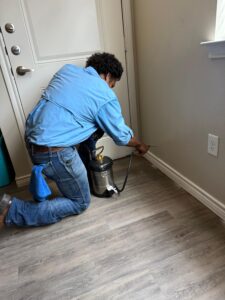
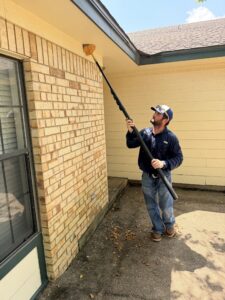
Late summer in Central Texas can bring some of the year’s most persistent pest pressure. High temperatures, dry stretches, sudden storms, irrigation, and warm evenings can keep insects and rodents active around homes well after midsummer. In Waco and surrounding communities, ants, large cockroaches, spiders, crickets, silverfish, earwigs, mosquitoes, rodents, termites, bed bugs, and flies may all create concerns depending on property conditions.
Effective pest control starts with understanding which pests are active and what is drawing them closer to the structure. Food, moisture, shelter, vegetation, standing water, and small entry points can all influence activity. A professional inspection helps separate occasional outdoor sightings from conditions that could support a larger infestation.

Heat And Dry Weather Can Push Pests Toward Homes
Late-summer heat can change where pests search for water and shelter. Ants may move toward kitchens, bathrooms, patios, or irrigated soil, while large cockroaches can gather near plumbing, drains, mulch, and shaded exterior spaces. Crickets, silverfish, and earwigs may also appear where moisture and protection are available.
Common late-summer pressure points include:
- Ant trails forming near food, water, foundations, or landscaped edges
- Large cockroaches appearing around garages, drains, utility areas, or kitchens
- Spiders building webs where insect prey gathers near lights and sheltered corners
- Crickets, silverfish, and earwigs moving into cool, protected interior spaces
- Flies becoming more noticeable around trash, outdoor eating areas, and organic waste
Dry conditions do not necessarily reduce activity. They can concentrate pests around dependable water sources such as irrigation, leaking fixtures, pet bowls, and shaded landscaping. Keeping these areas visible and well maintained makes it easier to recognize developing patterns.
Late summer is also a useful time to inspect door seals, vents, utility penetrations, and foundation transitions. Small gaps can become entry routes when outdoor conditions grow less favorable.
Mosquitoes And Outdoor Pests Can Remain Active Into Fall
Warm evenings and periodic rainfall allow mosquito pressure to continue late into the season. Standing water in gutters, containers, low spots, and irrigated landscaping can support immature mosquitoes, while adults rest in shaded shrubs, tall grass, and protected foliage during the day.
Outdoor prevention should focus on conditions such as:
- Water collecting in planters, toys, buckets, gutters, or poorly drained areas
- Dense shrubs and tall grass providing shaded mosquito resting sites
- Irrigation schedules keeping sections of the yard continuously damp
- Fire ant mounds developing in lawns, edges, or other disturbed soil
- Vegetation and debris creating shelter close to foundations and outdoor living areas
Reducing mosquito-friendly yard conditions can help limit breeding and resting areas, but recurring mosquito pressure often requires targeted professional treatment of foliage and harborage zones.
Fire ants can also remain active in warm soil, while spiders may increase wherever insect prey is abundant. The goal is not to eliminate every outdoor insect. It is to reduce concentrations around patios, play areas, entry points, and other places where people spend time.
Recurring Activity May Need More Than A One-Time Response
Some late-summer pest problems are isolated, while others are signs of continuing pressure. A single treatment may be appropriate for new or limited activity, but recurring ants, cockroaches, mosquitoes, rodents, or other pests can indicate that favorable conditions remain around the property.
Signs that broader attention may be needed include:
- Pest activity returning soon after it seemed to decline
- Multiple pest types appearing around the same moisture or shelter areas
- Droppings, gnaw marks, or nighttime sounds suggesting rodent activity
- Repeated ant trails or cockroach sightings in more than one room
- Seasonal mosquito pressure continuing around shaded outdoor spaces
Understanding the difference between one-time and recurring service can help homeowners choose a response that matches the level and persistence of activity. Ongoing service allows professionals to monitor changing conditions and adjust treatment as seasons shift.
Rodents deserve particular attention as late summer moves toward fall. Mice and rats can take advantage of garage gaps, vents, roofline openings, stored materials, and food sources as outdoor conditions change. Termites can also remain active when soil moisture and temperature are favorable, while bed bugs are less dependent on outdoor seasons and can persist wherever people rest.
Long-term prevention works best when the home and yard are treated as one connected environment. Professional pest control can combine interior treatment, exterior perimeter work, yard coverage when appropriate, monitoring, and follow-up. Regular seasonal evaluation can also reveal new moisture sources, access points, or exterior harborage before they support another wave of activity. That approach helps address current activity while reducing the conditions that make repeat problems more likely.
Late summer in Central Texas does not signal the end of pest season. It is a transition period when heat, moisture, food availability, and shelter can shift quickly. Watching for repeated activity and responding before pests spread can make fall easier to manage and help prevent small problems from becoming established indoors.
Keep Late-Summer Pest Pressure From Following You Into Fall
If ants, cockroaches, mosquitoes, rodents, spiders, or other common pests are becoming more active around your property, contact Cen-Tex Pest Control for professional pest control focused on inspection, targeted treatment, prevention, and ongoing protection.