It can be frustrating to notice continued pest activity after scheduling a professional service. While most pest control treatment plans are designed for long-term effectiveness, certain situations may require adjustments. Pest behavior, environmental factors, and structural conditions can all influence results.
As pest management professionals, we understand that no two infestations are identical. When activity persists, the solution is not guesswork. It involves a systematic review of the treatment strategy, environmental conditions, and expectations. Knowing what steps to take helps restore confidence and ensure lasting protection.
Reevaluate the Type of Pest and Infestation Level
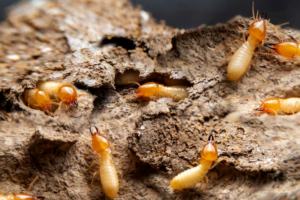
One of the most common reasons a pest control treatment appears ineffective is misidentification or underestimation of the infestation. Different species require different approaches. For example, ants, termites, cockroaches, rodents, and mosquitoes each respond to specific materials and placement strategies.
If pests are still present, consider whether:
- The correct species was identified during the initial inspection
- The infestation was more extensive than originally visible
- Nesting sites were hidden in inaccessible areas
- Seasonal changes increased pest pressure
In Central Texas, fluctuating temperatures and moisture levels can quickly alter pest activity. What appears to be a failed treatment may actually be new activity from a neighboring colony or untreated zone.
Accurate identification remains the foundation of effective pest management. Professional reassessment often reveals details that were not visible during the first visit.
Understand the Expected Treatment Timeline
Many property owners expect immediate elimination after service. While some pests decline rapidly, others require time for materials to circulate through the colony or disrupt breeding cycles. Seeing activity shortly after treatment does not always indicate failure.
Important timing considerations include:
- Some bait systems require worker pests to carry material back to nesting areas
- Egg cycles may continue briefly before full interruption occurs
- Environmental exposure can temporarily increase visible movement
- Follow-up visits may be part of the structured plan
For example, cockroach and ant programs often involve multi-step applications designed to target both active adults and developing stages. Rodent management may require monitoring to confirm complete removal.
Patience combined with professional monitoring typically yields better long-term outcomes than abrupt changes in strategy.
Check Environmental and Structural Factors
Even a properly applied pest control treatment can be undermined by environmental conditions. Structural gaps, moisture buildup, and sanitation issues can continuously attract new pests.
During reassessment, professionals often examine:
- Cracks in foundations or gaps around windows and doors
- Plumbing leaks or standing water in crawlspaces
- Landscaping that touches exterior walls
- Food storage practices and waste management areas
In Texas climates, high humidity and warm temperatures create ideal breeding conditions for many pests. Without addressing conducive conditions, treatments may need reinforcement more frequently. If activity continues, consider whether updated tools or techniques could enhance effectiveness. You can explore recent innovations through this overview of residential pest technology.
Integrated pest management focuses not only on materials but also on habitat modification. This balanced approach reduces dependency on repeated applications and improves long-term results.
Review the Service Plan and Technology Used
Modern pest management has evolved significantly. Advancements in monitoring systems, targeted formulations, and application precision have improved outcomes across residential and commercial properties.
Key considerations during plan evaluation include:
- Whether the treatment addressed the root source or only visible activity
- If monitoring devices were installed in high-risk areas
- Whether follow-up scheduling aligns with the pest’s life cycle
- If environmental conditions require seasonal adjustments
Additionally, reviewing the service agreement ensures clarity about expectations and flexibility. Understanding coverage details can prevent misunderstandings about retreatments or guarantees. This guide on pest control contract details outlines important elements to consider.
A transparent service structure combined with adaptive treatment strategies typically delivers stronger results.
When to Schedule a Professional Reinspection
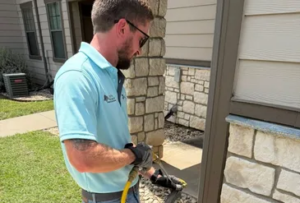
If pest activity persists beyond the expected timeframe, scheduling a reinspection is the most effective next step. Avoid assuming the original treatment failed without expert evaluation. Professional reassessment allows for precise adjustments rather than unnecessary repetition.
During a reinspection, specialists may:
- Identify untreated nesting pockets
- Modify bait placement or formulation
- Adjust exclusion measures
- Strengthen perimeter defenses
- Reevaluate moisture or sanitation contributors
Some infestations require layered approaches. For example, termite management often combines soil treatments with monitoring stations. Mosquito programs may require habitat reduction alongside barrier applications. Ant control may need both exterior perimeter work and targeted interior placement.
A comprehensive review ensures the strategy matches the pest pressure accurately. In many cases, minor refinements resolve ongoing activity quickly.
It is also important to recognize that new infestations can occur independently of previous treatments. Neighboring properties, construction activity, and weather shifts can introduce new pest populations. Professional insight distinguishes between persistent issues and new entries.
Restore Confidence With Expert Support
If your pest control treatment does not seem to be delivering the expected results, a professional reassessment can clarify the cause and strengthen protection. Contact Cen-Tex Pest Control to schedule a detailed evaluation and ensure your property remains properly protected.