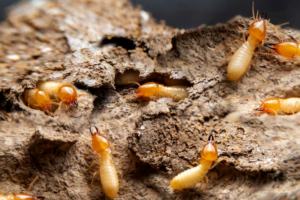
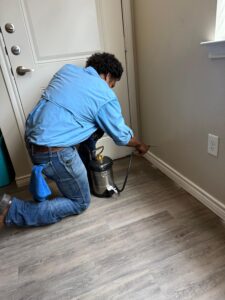
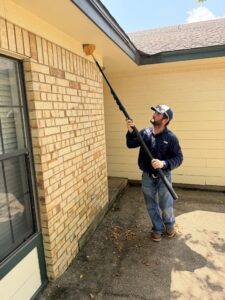
Termites can damage wood quietly, often before homeowners notice a clear warning sign. In Central Texas, warm conditions, soil contact, moisture, landscaping, and construction details can all create opportunities for termite activity around homes and businesses. A professional termite inspection helps reveal what is happening below the surface, whether the concern is active, old, localized, or connected to conditions that could support future problems.
The purpose of an inspection is not simply to confirm that termites exist. It is to examine vulnerable areas, identify evidence, evaluate access points, and recommend the right next step. For homeowners, that creates a clearer understanding of the property and helps prevent unnecessary guesswork when hidden damage or suspicious signs appear.
What Inspectors Look For Around The Property
A termite inspection begins with the areas where termites are most likely to enter, travel, or feed. The inspector may review the foundation, exterior walls, crawl-space areas, garages, porches, plumbing zones, wood-to-soil contact, and interior spaces where moisture or structural wood is present.
Typical inspection points include:
- Foundation edges, slab joints, crawl spaces, garages, and exterior walls
- Wood trim, baseboards, door frames, window frames, and flooring edges
- Plumbing areas, bathrooms, kitchens, and other moisture-prone locations
- Mud tubes, discarded wings, damaged wood, frass, or hollow-sounding materials
- Landscaping, mulch, drainage, irrigation, and wood stored near the structure
The inspector is looking for both direct evidence and risk conditions. A mud tube may suggest subterranean termite movement, while damaged wood or pellets may point to another type of activity. Moisture, cracks, and wood contact can also matter even when termites are not immediately visible.
For new construction, prevention can begin before the home is complete. This overview of termite pre-treatment explains how treatment can be applied during construction to protect exposed wood, soil beneath the slab, and perimeter areas before they become harder to access.
How Inspectors Separate Active Damage From Old Evidence
One of the most important parts of a termite inspection is determining whether the evidence is current. Old damage may remain in place for years, while active termites can continue feeding behind walls or below floors. Homeowners may not be able to tell the difference simply by looking at a damaged board or a few discarded wings.
A professional evaluation may consider:
- Whether mud tubes appear fresh, repaired, or recently active
- Whether damaged wood contains live termites or fresh feeding evidence
- Whether swarmers or wings are appearing near windows, doors, or lights
- Whether moisture or soil contact is still supporting the same access route
- Whether activity is limited to one area or appears across several structural zones
This distinction matters because the treatment plan should match the actual condition. A home with active subterranean termites may need a different approach from a property with old damage but no current activity. The inspection also helps identify inaccessible areas that may need further evaluation.
A professional report should explain the findings in plain language. Homeowners should understand what was found, where it was found, whether the activity appears active, and what recommendations follow from the evidence. Good communication is especially important when the property has a previous termite history or has undergone past treatment.
Why Early Inspection Can Reduce Bigger Repair Risks
Termites are difficult because the most expensive damage often develops out of sight. They may feed inside framing, trim, flooring, wall voids, or other protected areas while the visible surface still looks normal. Waiting for obvious damage can allow a smaller concern to become more complicated.
Early termite inspection can help by:
- Finding activity before larger sections of wood are affected
- Identifying moisture, drainage, or wood-contact conditions that increase risk
- Separating termite evidence from normal aging or unrelated damage
- Guiding targeted treatment before the problem spreads further
- Establishing a baseline for future monitoring and follow-up inspections
Seasonal pest pressure can also reveal changes around the property. This summer prevention checklist shows why moisture, entry points, yard conditions, and recurring activity should be reviewed together. Although termites require their own inspection and treatment strategy, the same broader property conditions can influence several pest concerns.
Professional termite inspection is most valuable when it leads to a clear plan. Depending on the findings, the next step may involve treatment, monitoring, preventative service, or repair recommendations. New builds may also benefit from pre-treatment before construction is complete. The important point is that the recommendation should come from evidence, not assumption.
A thorough inspection also gives homeowners useful documentation. Photos, notes, treatment history, and follow-up recommendations can help with property maintenance, remodeling, real-estate preparation, or long-term monitoring. Even when no active termites are found, understanding the vulnerable areas can make future prevention more effective.
Protect Your Home Before Hidden Damage Grows
Termite activity is easier to manage when it is found early and evaluated correctly. A professional inspection can identify active signs, hidden risk conditions, and the treatment or prevention steps that make sense for the property. For expert termite inspection, termite treatment, preventative protection, and support with other listed pest concerns, contact Cen-Tex Pest Control.