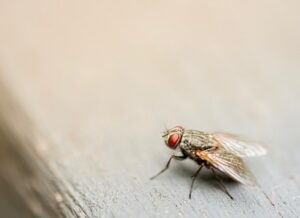
Outdoor dining areas and patios should feel comfortable, clean, and inviting, but warm Central Texas weather can make flies a persistent problem. Food odors, sugary drinks, trash, pet waste, damp landscaping, and open doors can all draw flies into spaces where people gather.
Effective fly control focuses on more than the insects currently circling a table. Lasting results depend on identifying the fly type, removing breeding support, improving sanitation, reducing moisture, and limiting access to nearby indoor areas. A well-planned approach helps make patios less attractive without relying on repeated short-term reactions.

Remove The Food And Waste Sources Flies Follow
Flies are strongly attracted to odors and organic material. Outdoor eating areas naturally produce crumbs, spills, drink residue, food packaging, and waste, so small sanitation gaps can quickly create dependable feeding sites.
Pay close attention to:
- Trash containers with loose lids or food residue
- Recycling bins holding sugary beverage residue
- Grease or food buildup around grills and outdoor kitchens
- Pet waste left near patios or lawn edges
- Fallen fruit and decaying plant material
- Tables or floors where spills are not cleaned promptly
Because patios combine food, foot traffic, and open-air exposure, prevention needs to account for both immediate attraction and nearby breeding conditions.
A broader summer prevention checklist can help homeowners identify other seasonal conditions that make outdoor spaces more attractive to pests as temperatures rise.
Control Moisture Around Patios And Landscape Edges
Water and organic buildup often work together to support fly activity. Damp mulch, overwatered soil, clogged drains, leaking faucets, and standing water around outdoor fixtures can create favorable conditions close to patios.
Drain-related flies are especially important because larvae may develop in organic film inside drains rather than in obvious standing water. Other fly types may use wet garbage, animal waste, or decaying material nearby.
Professional inspection helps distinguish among these sources. The treatment needed for flies developing in a drain is different from the strategy used for house flies gathering around waste or fruit flies associated with fermenting material.
Correct identification keeps fly control focused on the places where the insects are actually reproducing instead of treating every visible adult the same way.
Make Outdoor Dining Areas Harder For Flies To Use
Small operational changes can reduce how much food and shelter remain available during outdoor meals. The goal is to make patios less rewarding for flies while keeping the space practical for family use or entertaining.
Helpful priorities include:
- Keeping food covered until it is ready to serve
- Using tightly closed trash containers near dining areas
- Wiping tables and counters soon after meals
- Rinsing recycling containers before outdoor storage
- Cleaning grills and food-preparation areas regularly
- Keeping doors and screens in good working condition
Exterior doors matter because frequent patio traffic can allow flies to move indoors. Screens, door seals, and quick cleanup near entrances reduce the chance that an outdoor problem becomes an indoor kitchen issue.
Know When Recurring Service Makes More Sense
Some fly problems are short-lived and connected to a single correctable source. Others return repeatedly because warm weather, waste routines, outdoor dining, or moisture keep creating favorable conditions.
Understanding the difference between one-time and recurring service can help property owners choose a plan that matches the level of pressure. Frequent sightings, seasonal patterns, persistent breeding sites, and repeated activity after cleanup may point to the need for ongoing monitoring.
Recurring service can be especially useful during long warm periods when fly life cycles move quickly. Technicians can reassess pressure, check whether sanitation or exclusion recommendations are working, and adjust treatment when activity shifts.
Build A Long-Term Fly Control Plan Around The Source
Reliable fly control is most effective when sanitation, moisture management, exclusion, targeted treatment, and monitoring work together. The exact plan should reflect the species present and how the outdoor area is used.
A complete strategy may include:
- Identifying the fly type before selecting treatment
- Inspecting trash, drains, pet areas, and damp landscaping
- Correcting sanitation and moisture conditions that support breeding
- Reinforcing screens, doors, and other common access points
- Applying targeted controls in appropriate low-contact locations
- Scheduling follow-up when seasonal pressure remains high
Professional service can also help determine which areas do not need treatment. This matters around eating spaces, where careful placement and low-exposure decisions are especially important. Treatment can focus on sheltered resting areas, structural gaps, exterior entry points, or developmental sites rather than food-contact surfaces.
Outdoor fly pressure is rarely solved by addressing only the adults people see. When breeding material remains nearby, new flies can continue emerging and replacing those that disappear.
The strongest approach interrupts that cycle. By removing food sources, correcting moisture, improving exclusion, and using targeted professional treatment where needed, patios and outdoor dining areas can remain more comfortable through the Central Texas warm season.
Keep Flies From Taking Over The Patio
If flies keep returning around your outdoor eating areas, contact Cen-Tex Pest Control for professional fly control focused on source identification, targeted treatment, sanitation guidance, and long-term prevention.