Maintaining a healthy lawn often involves more than routine watering and mowing. Beneath the surface and along the edges of outdoor spaces, pest activity can quietly develop and spread. Lawn pests such as insects and other invaders can damage grass, disrupt soil conditions, and reduce the overall appearance of a yard.
Perimeter sprays are commonly used as part of pest management efforts, especially around the boundaries of a property. These treatments are designed to create a protective barrier that targets pests before they move deeper into the lawn or closer to structures. Understanding how they work and when they are most effective helps clarify their role in broader pest prevention strategies.

What Perimeter Sprays Are Designed to Do
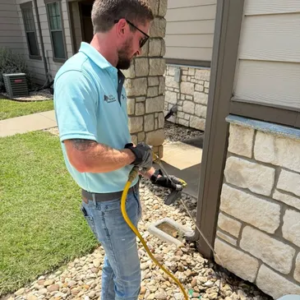
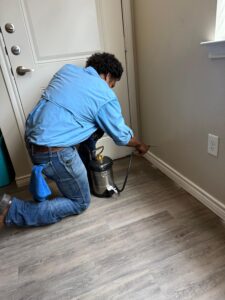
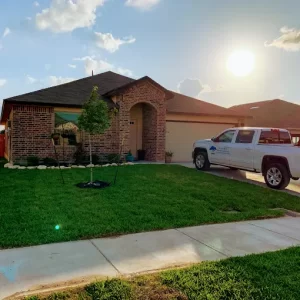
Perimeter sprays focus on treating the outer edges of a lawn and the immediate surroundings of a structure. This approach aims to intercept pests at common entry points and reduce their ability to spread.
- They create a treated zone around the lawn that targets insects as they move through soil and vegetation
- They help reduce pest populations before they reach central lawn areas or indoor spaces
- They are often applied along foundations, fence lines, and landscaping borders where pest activity is common
- They support overall lawn health by limiting the conditions that allow pests to establish themselves
While perimeter sprays can be effective, they are only one part of a larger strategy. Their success depends on how well they are integrated with other methods and how accurately they are applied.
Types of Lawn Pests Affected by Perimeter Treatments
Different lawn pests respond differently to perimeter sprays. The effectiveness of these treatments depends on the behavior and habitat of the pests present.
- Chinch bugs. These pests feed on grass, causing brown patches and weakened turf
- Ants. Often build colonies near lawn edges and can spread into surrounding areas
- Spiders. Typically follow other insects and may be reduced as pest populations decrease
- Occasional invaders. Includes insects that move between outdoor and indoor environments
Damage from lawn pests can sometimes appear as simple discoloration or uneven growth. However, underlying causes may be more complex. For example, issues such as lawn patch pest damage can be linked to specific insect activity rather than general lawn stress.
Understanding which pests are present is essential for determining how effective perimeter sprays will be in a given situation.
Factors That Influence the Effectiveness of Perimeter Sprays
Perimeter sprays are not a one-size-fits-all solution. Their performance is influenced by environmental conditions, application methods, and the specific characteristics of the lawn.
- Weather conditions, such as rain or irrigation, can affect how long treatments remain active
- Soil composition and grass density influence how well sprays penetrate and remain effective
- Timing of the application plays a role, especially during periods of increased pest activity
- The type of pest being targeted determines how well the treatment works
Seasonal patterns are particularly important. Pest activity tends to increase during certain times of the year, which can impact how treatments should be applied. This is discussed further in this overview of spring pest activity, where environmental conditions shape pest behavior.
Because of these variables, consistent monitoring and adjustment are necessary to maintain effectiveness over time.
Limitations of Perimeter-Only Approaches
While perimeter sprays provide a useful layer of protection, relying on them alone may not address all aspects of pest activity. Many lawn pests operate beneath the surface or within areas that perimeter treatments do not fully reach.
- Subsurface pests may remain active in soil layers beyond the reach of surface applications
- Established infestations within the lawn may continue despite perimeter treatments
- Pests can adapt to environmental changes, shifting their activity patterns over time
- New infestations can develop if underlying conditions are not addressed
These limitations highlight the importance of a comprehensive approach. Perimeter sprays are most effective when combined with strategies that address both visible and hidden activity.
A broader understanding of lawn conditions, moisture levels, and pest behavior is necessary to reduce long-term risk.
Why Professional Application Enhances Results
Applying perimeter sprays effectively requires more than basic coverage. It involves identifying where pests are most active, understanding how they move, and adjusting treatments accordingly.
Professionals approach this process with a focus on precision. They evaluate the lawn as a whole, including soil conditions, irrigation patterns, and areas where pests are likely to enter or establish themselves. This allows for targeted applications that align with the specific needs of the property.
In addition, professional methods take into account how different treatments interact with environmental factors. This ensures that applications remain effective for longer periods and provide consistent protection.
Lawn pests are influenced by a range of variables that can change over time. Without a structured approach, treatments may only provide temporary relief.
When Protection Needs to Go Beyond the Surface
Perimeter sprays can help reduce pest pressure, but they are most effective when used as part of a broader plan. Recognizing when additional measures are needed allows for more complete and lasting results.
Strengthen Your Lawn From The Outside In
When lawn pests begin to affect the health and appearance of your yard, a targeted approach can make a meaningful difference. Connect with Habitat Pest and Lawn for solutions designed to support long-term lawn protection.