Running a successful restaurant means juggling countless priorities: great food, efficient service, customer satisfaction, and above all, cleanliness. Yet even with a strong operations checklist, one small issue can quickly compromise your entire reputation: flies. Whether it’s a fruit fly hovering around the bar or a house fly buzzing near the kitchen, these pests pose more than just an annoyance. They’re a serious red flag for health inspectors and diners alike.
Restaurants are highly attractive to flies due to the abundance of moisture, organic material, and food waste. Left unchecked, fly populations can multiply quickly, disrupting operations, contaminating surfaces, and violating safety standards. To maintain a sanitary and compliant space, fly control must be a proactive and strategic effort, not a reactive one.
Below are expert strategies for managing flies in commercial kitchens and dining areas, with a long-term mindset that prioritizes both prevention and control.

Key Areas Restaurants Must Monitor for Fly Activity
Flies don’t appear at random. They are drawn to specific conditions that support their feeding and breeding needs. Understanding which parts of a restaurant are most vulnerable allows staff and pest control professionals to take informed action.
Here are the high-risk areas that require consistent oversight:
- Grease traps and floor drains: Organic buildup creates a perfect breeding ground for drain flies.
- Dishwashing and mop areas: Excess moisture and food residue attract both house and fruit flies.
- Trash storage: Overflowing bins or open dumpsters invite large fly populations.
- Bar and prep counters: Sticky residue and fruit scraps attract fruit flies quickly.
- Entry points: Doors left open or damaged screens make it easy for flies to get inside.
These zones should be part of a restaurant’s daily monitoring routine. By identifying problems early, teams can partner with pest professionals to apply precision treatments and structural solutions that reduce the fly population over time.
Professional Techniques That Deliver Results
Restaurants often try surface-level fixes like fly swatters or scented traps, but these solutions rarely target the root of the problem. True fly control requires a layered approach that only licensed professionals can offer. These methods are designed not only to remove existing pests but also to disrupt breeding cycles and minimize conducive conditions.
- Biological drain treatments: Specialized products break down organic matter deep in pipes, eliminating breeding zones.
- Commercial-grade fly lights: Strategically placed units trap flies silently and efficiently, especially in food prep zones.
- Residual insecticide applications: Licensed specialists apply insecticides in hidden cracks and wall voids where flies may rest or breed.
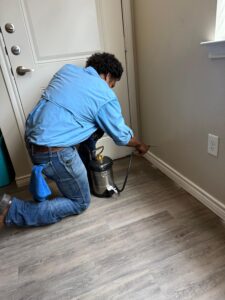
- Entryway treatments: Barrier sprays near door frames and vents discourage entry from the outside.
- Regular sanitation audits: A professional inspection team can pinpoint flaws in a restaurant’s layout or practices that might encourage fly activity.
Instead of relying on one-size-fits-all solutions, pest experts evaluate your property to implement a plan tailored to the type of fly and the dynamics of your restaurant environment.
How Fly Prevention Reflects Deeper Pest Patterns
Fly issues are often just one symptom of a more extensive pest challenge. The same food, water, and entry points that attract flies can easily invite other invasive insects. This is especially true in warm, humid environments where pests flourish without proper monitoring and maintenance.
Many pest professionals advise treating fly control as part of a larger integrated pest management (IPM) strategy. When restaurants address fly-friendly conditions, they simultaneously reduce the risk of other infestations, including some of the more elusive pests.
A helpful example can be found in this bed bug checklist, which outlines how layered control tactics and environmental awareness work together to limit pest spread. Even though flies and bed bugs differ in behavior, they share common ground in that both require systematic, property-wide monitoring to fully eliminate risk.
Supporting Pest Management with Proactive Facility Care
Beyond flies, commercial properties that deal with large crowds, food waste, and climate-sensitive storage areas must remain alert to other silent infestations. Just as flies find breeding opportunities in drains and grease traps, bed bugs can take advantage of public seating areas, staff lockers, or delivery stockrooms. Without consistent inspection, they may go undetected until a serious issue emerges.
This is why restaurant owners should stay updated on common threats to their specific region and property type. As this bed bug guide explains, early identification and intervention are key to avoiding costly disruptions. The same logic applies to flies: treatment is more effective when environmental risks are already under control.
By addressing sanitation gaps, moisture buildup, and structural weaknesses, restaurant owners strengthen their overall pest defenses not just against flies, but against a broader range of pest issues that could affect daily operations.
Sustaining Long-Term Fly Control in Restaurant Settings
Once a restaurant has achieved initial fly reduction, the goal becomes maintenance. This involves creating clear systems and processes that are implemented by both staff and service partners. When all teams are aligned, pests have fewer opportunities to return.
- Schedule monthly fly control inspections
- Conduct nightly drain flushing routines with professional products
- Ensure food waste is disposed of at least once per shift
- Use self-closing doors and repair air curtains or screens
- Maintain staff training on sanitation and waste protocols
Restaurants that treat pest prevention as a continuous effort, not just a one-time fix. You should build a stronger foundation for health and safety compliance.
Ready to Clear the Air?
Consistent fly control is essential to preserving your restaurant’s reputation and safety standards. Contact Cen-Tex Pest Control to get expert help and a customized plan built for your business.