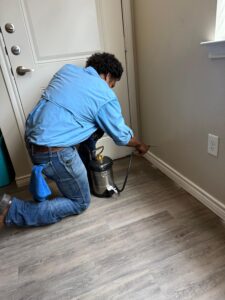
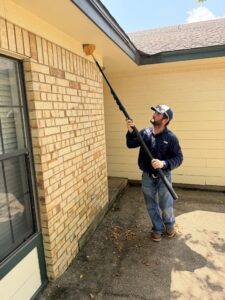
Spring rain can refresh lawns, gardens, and trees, but it can also increase pest activity around homes. Moisture changes the way insects and rodents move, breed, feed, and seek shelter. After repeated rainfall, homeowners may notice more ants near kitchens, mosquitoes around standing water, termites near damp wood, flies near waste areas, or rodents searching for dry shelter.
Effective pest control starts with understanding how rain changes the property environment. When soil becomes saturated, drainage slows, and moisture collects near foundations, pests often move closer to the structure. Some pests are attracted to the damp conditions, while others enter homes to escape flooded outdoor nesting areas. These shifts can happen quickly after heavy rain, especially when gutters overflow, mulch stays wet, or yard debris traps moisture near walls. Even small drainage problems can create steady pest pressure if they are not identified early.

Why Rainfall Changes Pest Behavior
Spring rains often create the perfect combination of moisture, humidity, and shelter. Mosquitoes can breed in standing water, fire ants may build new mounds after wet weather, and termites become more active around moist soil and wood. Cockroaches, flies, spiders, and rodents may also become more noticeable when outdoor conditions shift.
- Standing water can support mosquito breeding
- Damp soil may increase termite movement
- Flooded nests can push ants indoors
- Moist trash areas may attract flies
- Rodents may seek dry shelter indoors
Small changes around the property can create larger pest pressure after several rainy days. Clogged gutters, low spots in the yard, leaking outdoor fixtures, and wet mulch near the foundation can all support activity. Homeowners noticing increased activity after storms can review these rain-related pests for additional insight into common spring issues.
Moisture Around The Home Creates Hidden Risks
Moisture does not always create obvious problems right away. Sometimes pest activity begins in hidden areas such as crawl spaces, wall voids, garages, attics, or under landscaping materials. By the time pests become visible indoors, the conditions attracting them may already be well established.
Ants may follow moisture lines toward kitchens and bathrooms. Termites may remain hidden near damp wood or foundation areas. Mosquitoes may develop in containers, gutters, birdbaths, or drainage spots. Rodents may use softened soil or damaged exterior gaps to move closer to the home.
- Check gutters for trapped leaves and water
- Keep mulch away from siding and foundations
- Repair leaks around exterior faucets
- Remove containers that collect rainwater
- Monitor garage doors, vents, and crawl-space openings
Professional inspections help identify moisture-related risk areas that may be missed during routine maintenance. This matters because long-term pest control depends on correcting the conditions pests rely on, not only treating visible activity.
Spring Pest Pressure Can Spread Indoors Quickly
Once pests find moisture, shelter, or food, they can spread quickly into living spaces. Kitchens, bathrooms, laundry rooms, pantries, and storage areas often become high-activity zones because they provide warmth and access to water. Pests such as bed bugs, bees, fire ants, flies, mosquitoes, rodents, termites, and wildlife all require different inspection and treatment considerations.
Spring rain may also increase pest pressure around businesses, apartments, and shared facilities where activity can spread between units or work areas. Modern monitoring and inspection tools can help identify pest movement earlier, especially in larger spaces. These commercial pest tools show how technology supports faster detection and more targeted service planning.
For homes, the same principle applies. Early detection helps reduce the chance of widespread infestation. When pest activity is tracked carefully, treatment can be more precise, and prevention can be adjusted before the problem expands.
Long-Term Prevention Starts Before The Next Storm
The best time to reduce rain-related pest pressure is before the next round of spring showers. Preventative steps help limit the moisture, shelter, and access points pests use after wet weather.
- Improve drainage near foundations and walkways
- Trim vegetation away from exterior walls
- Store firewood away from the structure
- Seal gaps around pipes, vents, and doors
- Schedule inspections after repeated heavy rains
Spring pest control should be viewed as an ongoing process rather than a one-time reaction. Rainfall patterns change throughout the season, and pests respond quickly when conditions become favorable again. Consistent monitoring allows professionals to adjust treatment areas, inspect high-risk zones, and identify new vulnerabilities before pests move deeper inside.
Long-term prevention also helps protect the home from costly issues linked to termites, rodents, and moisture-supported pests. The earlier these risks are found, the easier they are to manage.
Stay Ahead Of Spring Pest Pressure
Spring rains can increase pest activity by creating moisture, standing water, hidden shelter, and easier access around the home. Professional pest control helps identify where these problems begin and supports long-term prevention before infestations spread indoors. For dependable inspections and seasonal protection, contact Cen-Tex Pest Control.