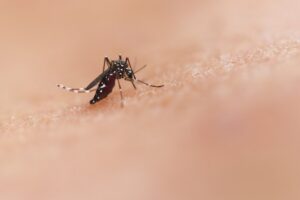
Mosquitoes are more than just a nuisance. In many parts of Texas, they’re a seasonal threat to health and comfort, capable of transmitting diseases like West Nile virus, Zika, and dengue. What makes them especially difficult to manage is their breeding behavior. Female mosquitoes lay eggs in standing water, and it doesn’t take much; just a bottle cap’s worth of water can trigger a full cycle of infestation. That’s why mosquito control must begin with eliminating breeding zones.
Below are five key steps every homeowner should understand to interrupt mosquito life cycles, reduce risk, and maintain a safer outdoor environment.

Identify Common Breeding Grounds Around the Home
The first step toward controlling mosquitoes is recognizing the places they prefer to lay eggs. Most mosquito species in Texas look for stagnant water or overly moist areas that go undisturbed. These aren’t always obvious. In fact, many breeding zones are overlooked during routine yard maintenance.
Start by checking:
- Outdoor containers: Buckets, planters, wheelbarrows, and even discarded toys collect water after rainfall.
- Clogged gutters: Leaves and debris trap moisture and provide perfect breeding conditions.
- Birdbaths and pet bowls: These should be cleaned and refilled frequently, not just topped off.
- Old tires: Rainwater trapped inside tires can harbor hundreds of mosquito larvae in days.
- Tarps and covers: Pool and grill covers often sag and collect water unless properly secured.
Walk your property after a rain to look for puddles or standing water. If something holds moisture for more than a few days, it’s a likely target for mosquitoes.
Take Preventive Action Through Regular Maintenance
Eliminating standing water is not a one-time effort. Mosquitoes can lay hundreds of eggs at a time, and under the right conditions, those eggs can hatch in just 48 hours. That means ongoing outdoor maintenance is key to long-term mosquito reduction.
Here are a few preventive habits to develop:
- Empty containers weekly: Drill drainage holes in items that remain outdoors and don’t serve a purpose.
- Maintain water features: Fountains and ponds should have filters or mosquito dunks to prevent larval development.
- Trim vegetation: Overgrown grass and bushes hold moisture and offer shady rest spots for adult mosquitoes.
- Clean gutters monthly: Remove leaf buildup to avoid water pooling.
- Inspect irrigation systems: Leaks or misaligned sprinkler heads may create soggy patches that attract egg-laying mosquitoes.
These steps not only reduce breeding zones but also improve overall yard health and reduce pest activity. For seasonal insight into pest behavior, check out more information about pests affecting Central Texas homes and yards.
Use Mosquito-Proofing Tools Where Water Can’t Be Avoided
Some areas of your property will naturally retain water. Ponds, rain barrels, or necessary pet water bowls can’t always be removed. In those cases, it’s important to use mosquito-proofing tools to block access or kill larvae before they develop into biting adults.
- Add screens to rain barrels: Mesh covers block mosquitoes from laying eggs inside.
- Install aerators in ponds: Circulating water prevents mosquitoes from settling.
- Use larvicides responsibly: Mosquito dunks with Bacillus thuringiensis israelensis (Bti) are safe for pets and wildlife but lethal to mosquito larvae.
- Apply coffee grounds: In small water-holding containers, this method may prevent egg hatching temporarily.
While these tools can be helpful, they should be part of a broader strategy. Relying on them alone won’t address hidden or inaccessible breeding sites throughout your yard or neighborhood.
Understand Mosquito Behavior and Local Risks
Knowing how mosquitoes behave in your region helps shape the right prevention strategy. For example, some species are active at dusk, while others feed all day long. Some prefer floodwater habitats, while others thrive near urban gardens or shaded backyards. In Central Texas, the warm, humid climate supports a wide variety of mosquito types, each with its own challenges.
Beyond the annoyance of itchy bites, mosquito populations also fluctuate with rainfall, temperature, and local breeding conditions. Monitoring your area’s pest patterns is vital. For homeowners interested in local observations and pest forecasts, our homepage offers professional pest control services that include timely insights and proven treatment options.
If mosquitoes seem persistent despite your best efforts, it may be due to nearby breeding zones you can’t control, like abandoned properties or neighborhood storm drains. In these cases, expert evaluation is often necessary to identify the source and apply a targeted solution that reaches beyond your fence line.
Why Professional Control May Be Necessary
Even with great yard hygiene and consistent prevention, some infestations still require outside support. Mosquitoes can travel significant distances from where they breed, meaning they might be reaching your property from neighboring lots, water features, or public land. In such cases, do-it-yourself methods may fall short, especially if you’re only addressing visible or accessible areas.
A trained pest control technician can assess your environment, apply long-lasting larvicides, fog problem zones, and set up a monitoring plan to reduce future mosquito populations. These treatments are particularly useful for high-risk homes with outdoor pets, children, or frequent gatherings in the yard.
Your Yard’s Peace Starts Here
Take the next step toward a mosquito-free home with expert help tailored to your environment. Reach out to Cen-Tex Pest Control for customized support today.