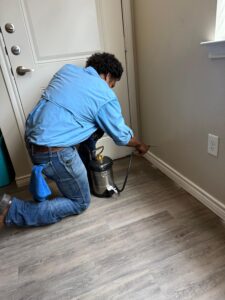
Central Texas offers a warm, often humid climate that is not only comfortable for residents but also ideal for termites. These persistent pests are responsible for millions of dollars in property damage each year across the region, quietly eating away at wood structures and often going undetected until the destruction is extensive. Because they feed on cellulose found in wood and other plant materials, homes with wooden framing, decks, or fences are especially attractive targets.
What makes the problem more challenging is that termites do not take a break during the year. Mild winters allow colonies to remain active, while spring and summer rains provide the moisture they need to thrive. Left unchecked, an infestation can weaken floors, walls, and support beams, potentially compromising a home’s safety and value. By understanding why Central Texas is such a hotspot for termite activity and learning the most effective prevention and treatment methods, homeowners can take steps to safeguard their property before significant damage occurs.

Why Central Texas Is a Termite Hotspot
Several environmental factors make Central Texas an ideal location for termite colonies to thrive. The combination of warm temperatures, moderate to high humidity, and plentiful food sources creates perfect breeding and feeding conditions. Subterranean termites, the most common species in the area, require moisture to survive and build extensive underground colonies.
Homes in this region are particularly at risk because:
- Soil conditions: Clay-heavy soils retain moisture, helping termites stay hydrated.
- Weather patterns: Seasonal rains followed by warm periods accelerate termite activity.
- Abundant cellulose sources: Wood-framed homes, mulch, and tree roots provide ample food.
- Year-round activity: Mild winters allow termites to remain active even in cooler months.
For new constructions, integrating preventive treatments during the building phase can be highly effective. As outlined in our article about protecting new homes, starting early can reduce the likelihood of infestations later.
Common Termite Entry Points in Homes
Termites can infiltrate homes through tiny cracks and hidden areas, making them difficult to detect until damage is advanced.
- Foundation cracks: Even hairline openings in slabs or concrete footings can allow access.
- Expansion joints: Gaps between different sections of concrete or masonry are common entryways.
- Wood-to-soil contact: Deck posts, porch supports, or siding that touches the ground create a direct path.
- Plumbing and utility penetrations: Termites can follow moisture and enter around pipes or cables.
- Mulch beds and landscaping: Dense vegetation and mulch can conceal their approach to the structure.
Because these entry points are often hidden, regular inspections are key to identifying early signs of activity.
Warning Signs of a Termite Infestation
While termites work quietly, they leave behind telltale signs of their presence. Recognizing these early can prevent extensive damage.
- Mud tubes: Pencil-sized tunnels along foundations or walls that protect termites from light and predators.
- Hollow-sounding wood: Damage beneath the surface leaves wood thin and brittle.
- Discarded wings: Found near windows, doors, or light fixtures after swarming season.
- Blistered or warped paint: Caused by moisture buildup from termite activity.
- Small piles of frass: Termite droppings resembling sawdust, especially from drywood termites.
If you notice any of these indicators, immediate evaluation by a professional is crucial for targeted termite control before the infestation spreads.
Preventive Steps to Reduce Termite Risk
While no method guarantees complete prevention, a combination of structural maintenance and environmental management can make your home less appealing to termites.
- Maintain proper drainage: Ensure water flows away from the foundation with functional gutters and downspouts.
- Eliminate wood-to-soil contact: Use concrete supports for decks and keep siding at least six inches above the ground.
- Store firewood properly: Keep woodpiles elevated and at least 20 feet from the home.
- Reduce moisture sources: Fix plumbing leaks promptly and improve ventilation in crawl spaces.
- Inspect regularly: Schedule professional inspections at least once a year to catch activity early.
For homeowners already dealing with high termite pressure, following the guidance on termites in Central Texas can provide targeted steps to safeguard your property.
Why Professional Termite Control Is Essential
Termites are among the most destructive pests because of their ability to remain hidden while causing significant structural damage. Their colonies can contain hundreds of thousands of members working continuously. Detecting termite activity requires more than just a visual check; it often involves specialized tools, moisture meters, and an understanding of termite behavior.
Professional termite control is essential for several reasons:
- Accurate identification: Trained technicians can distinguish termite damage from that caused by other pests, ensuring the right treatment is applied.
- Comprehensive inspections: Professionals know where termites are most likely to hide and can check both visible and concealed areas.
- Advanced treatment methods: From soil treatments to baiting systems, pest specialists use proven solutions designed for long-term protection.
- Preventive strategies: In addition to eliminating active infestations, professionals can implement barriers and monitoring systems to detect new activity early.
- Reduced risk of recurrence: Ongoing maintenance programs help keep your home termite-free year-round.
While DIY methods may seem appealing, they often fail to address the root cause of the infestation or reach all areas of the colony. Incomplete treatment allows termites to rebuild quickly, leading to more costly repairs down the line. By working with experts, homeowners gain the advantage of targeted, science-backed solutions that safeguard their property’s value and structural integrity.
Keep Termites Out for Good
Termites in Central Texas are a serious threat, but with the right prevention and treatment plan, your home can remain protected year-round. For expert inspection, tailored solutions, and ongoing protection, contact Cen-Tex Pest Control and keep your property safe from costly termite damage.