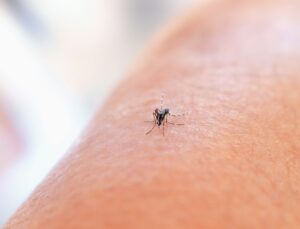
Central Texas homeowners are no strangers to the frustrations caused by mosquitoes. These pests thrive in the region’s warm climate and can remain active for much of the year, long after people assume they have disappeared. Their persistent presence affects outdoor activities, family comfort, and even health, since mosquitoes are capable of transmitting harmful diseases.
Unlike other insects with shorter lifespans, mosquitoes adapt quickly to changing conditions. A brief rainstorm, a week of warm temperatures, or an overlooked water source can cause populations to surge. What makes Central Texas unique is that mosquito activity often follows a longer timeline, sometimes extending into late fall and returning earlier in spring, compared to cooler regions.
This article begins with the fall season, since many homeowners mistakenly believe mosquito issues end once summer is over. In reality, autumn often marks a transitional phase where populations linger, rebound after storms, and prepare for survival through the winter months. By following the cycle from fall through summer, homeowners can see how mosquitoes maintain their presence and why effective mosquito control must be applied year-round.
Early Fall: Lingering Activity
Many homeowners mistakenly believe mosquito problems disappear once summer ends. However, in Central Texas, warm weather often extends well into September and October, keeping mosquitoes active longer than expected.
Common trends during early fall include:
- Continued breeding in shaded, moist areas
- High activity levels during late afternoons and early evenings
- Overwintering strategies begin as some species prepare for cooler nights
- Populations rebounding after heavy rainfall, even late in the season
This lingering activity makes early fall a key time for ongoing vigilance. Ignoring mosquitoes at this stage allows populations to rebound, ensuring they return in full force the following spring. Preventive monitoring, such as routine inspections, ensures infestations are caught before they persist year-round.
Winter: Hidden Dangers
While colder temperatures in December and January slow mosquito activity, they do not always eliminate it entirely. In Central Texas, mild winters allow some species to survive through the season, either as eggs, larvae, or even adults in sheltered environments.
Key winter survival tactics include:
- Eggs lying dormant in the soil until warmth and rain return
- Larvae surviving in water that does not freeze
- Adult mosquitoes seeking protection in garages, sheds, or attics
- Populations remaining low but ready to surge in early spring
This quiet phase is deceptive. Even when activity seems nonexistent, mosquitoes are preparing for the next season. Overlooking winter management often means homeowners face larger problems in spring.
Early Spring: The First Signs of Activity
When temperatures consistently rise above 50°F, usually in March or April, mosquito season begins. Eggs laid the previous year that survived winter conditions can hatch once moisture and warmth return. This early stage sets the tone for the rest of the season.
Key developments during early spring include:
- Mosquito eggs hatching in damp soil or shallow water
- First swarms appearing in shaded areas of yards
- Increased activity after seasonal rains create puddles and standing water
- More frequent bites during dusk and dawn hours
This stage is critical for prevention. Addressing early mosquito breeding zones can reduce populations before they peak. Simple steps like eliminating containers that collect rainwater or clearing clogged gutters can make a big difference and control problem areas before infestations take hold.
Peak Summer: Maximum Mosquito Pressure
By late May through August, Central Texas experiences the height of mosquito season. The combination of high temperatures, humidity, and summer storms creates the perfect environment for rapid population growth.
During peak summer:
- Mosquitoes breed quickly, with eggs maturing in as little as a week
- Outdoor activities are disrupted by heavy biting pressure
- Standing water in birdbaths, pools, and ponds becomes prime breeding habitat
- Disease risk rises, as mosquitoes are more likely to spread pathogens like the West Nile virus
This is the time when mosquito control becomes most urgent. Treatments that reduce adult populations and target breeding grounds can help maintain livable outdoor spaces. Without intervention, infestations often escalate to the point where backyards are nearly unusable.
Why Seasonal Awareness Matters
Knowing the mosquito season timeline in Central Texas helps homeowners act at the right times. Each phase requires its own strategy, and missing key opportunities for prevention allows populations to grow. An effective mosquito control plan adapts to changing conditions, focusing on breeding reduction in spring, population control in summer, monitoring in fall, and preparation during winter.
Benefits of seasonal awareness include:
- Reducing health risks from mosquito-borne diseases
- Preserving outdoor spaces for recreation and gatherings
- Avoiding costly treatments that come with severe infestations
- Building long-term resilience against recurring pest problems
Proactive measures deliver the most consistent protection. With the right plan, homeowners can enjoy their yards year-round without constant disruptions from mosquitoes.
Take Back Your Yard with Confidence
Mosquitoes in Central Texas follow a seasonal cycle that demands year-round awareness. Protect your home and outdoor spaces by contacting Cen-Tex Pest Control for expert mosquito control strategies that adapt to every phase of the season.