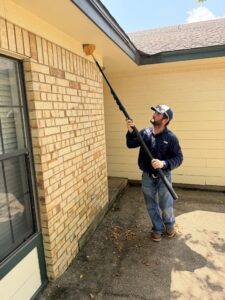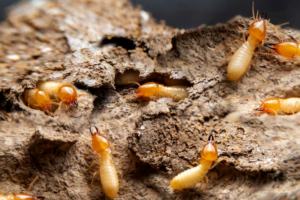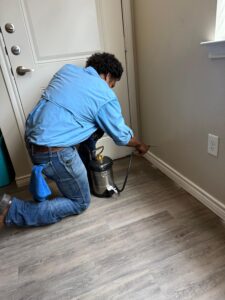
In Central Texas, where pests thrive year-round due to warm temperatures and varying humidity, a pest inspection isn’t just a seasonal chore, but a vital layer of home protection. Regular inspections help detect early signs of unwanted invaders like ants, termites, and bed bugs before they become overwhelming, costly, or hazardous to health.
Rather than reacting to an infestation once it’s already in full swing, routine checks give homeowners a proactive defense. Professional pest control experts are trained to recognize subtle evidence, assess hidden areas, and recommend safe, tailored solutions for every kind of pest problem.

Catching Problems Before They Multiply
Many common household pests, from fleas and ticks to roaches and termites, are experts at hiding. By the time you see one, it’s often a sign that many more are lurking nearby. Routine pest inspection gives trained professionals a chance to spot subtle warning signs long before a full-blown infestation occurs.
Here’s how early detection through inspections makes a difference:
- Minimizes costly damage: Termites, in particular, can silently eat away at structural wood for months before obvious signs appear. A trained eye can detect vulnerable entry points and early activity.
- Protects health and hygiene: Mice and roaches contaminate food surfaces, while fleas and ticks pose risks to pets and humans. Catching their presence early can prevent exposure to allergens and diseases.
- Prevents fast breeding cycles: Bed bugs and flies reproduce quickly. Identifying them early stops rapid population growth and keeps control strategies manageable.
Professionals know exactly where to look, such as under floorboards, behind walls, in crawlspaces, and use advanced detection tools such as infrared cameras or monitoring traps. This makes routine inspections essential even when everything looks fine on the surface.
Common Pest Hotspots That Get Overlooked
Most infestations don’t start in plain sight. They begin in overlooked corners, under appliances, or in outdoor entry points. Regular pest inspection ensures these areas aren’t missed and remain protected.
Key areas typically examined include:
- Basements, attics, and crawlspaces
- Kitchen cabinets, behind stoves and refrigerators
- Laundry rooms and water heater closets
- Outdoor trash bins and garden borders
- Entry points near windows, vents, and pipes
In regions like Central Texas, wood-destroying insects like termites pose a serious threat. Understanding how termites affect local homes is a helpful step in preventing irreversible structural issues. Furthermore, professional inspectors can identify vulnerable conditions such as moisture accumulation or improper grading that encourage termite tunneling and ant colonies.
How Routine Inspections Reduce Repeat Infestations
A major benefit of regular inspections is the ability to track and eliminate recurring pest patterns. For instance, ants may be treated but return later if their colony isn’t fully removed or if their access points are left unsealed. Scheduling inspections every few months helps break this cycle.
The inspection process may include:
- Identifying hidden nests and colonies
- Detecting pest-friendly conditions such as moisture, food crumbs, or clutter
- Recommending practical environmental changes to prevent reinfestation
- Monitoring changes from previous visits to ensure long-term success
This ongoing evaluation is especially important with pests like ants. If you’re unsure about the different species and control methods, it helps to understand key ant identification tips that professionals use when developing control plans. These resources help homeowners notice subtle differences that determine whether they are dealing with carpenter ants, odorous house ants, or fire ants, all of which require different tactics.
Signs That Mean It’s Time for a Check
Not all pest problems come with flashing red flags. However, certain signs should prompt immediate inspection even if no bugs are directly seen.
Watch for these red flags:
- Unusual sounds in walls or ceilings (often linked to mice)
- Droppings near baseboards, cabinets, or pet dishes
- Discarded insect wings or casings on window sills
- Persistent itching in pets, despite grooming
- Faint, musty odors from hidden areas
If any of these issues arise, don’t wait until the situation worsens. Pest populations can double quickly, and delayed responses often require more intensive treatment plans. Moreover, signs like chew marks on food packaging, soil that disappears quickly, or small mounds outside may indicate subterranean termites or ants. These often require specialized tools and treatments beyond store-bought solutions.
Long-Term Benefits for Property and Peace of Mind
Routine inspections aren’t just for emergencies. They provide long-term benefits by helping homeowners stay ahead of seasonal trends, structural vulnerabilities, and potential health concerns.
Ongoing inspections ensure:
- Fewer surprise infestations
- Healthier indoor environments for families and pets
- Peace of mind knowing your home is being monitored by professionals
- Reduced reliance on reactive treatments or chemicals
Property owners also gain documentation of pest activity, or lack thereof, which can be valuable during home sales or insurance assessments. Just like HVAC tune-ups or roof inspections, pest checks are best done regularly, not only when a problem becomes visible. Prevention is often more effective and less expensive than treatment.
Schedule Routine Inspections for Better Protection
Protect your home before pests gain a foothold. Whether it’s hidden termites, recurring ant trails, or mouse droppings in hard-to-reach corners, early detection makes all the difference. Let Cen-Tex Pest Control help ensure your home stays pest-free year-round with professional, reliable inspections.