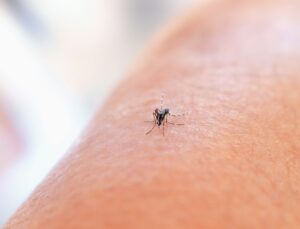
Summer mosquito activity can turn a yard from comfortable to frustrating almost overnight. In Central Texas, warm weather, seasonal rain, shaded landscaping, and humid pockets create the conditions mosquitoes need to rest, breed, and keep returning.
Mosquito control works best when the yard is viewed as a full environment. They rest in thick vegetation, shaded corners, damp mulch, clogged drainage areas, and protected spaces around porches and outdoor structures. Understanding these patterns helps homeowners see why lasting protection usually requires more than a one-time spray or quick clean-up.

Why Mosquitoes Surge During Summer
Mosquitoes become more active when heat and moisture work together. Warm temperatures speed up development, while rain or irrigation can create breeding spots in places that are easy to overlook. Even small amounts of water can support activity when they sit long enough.
- Gutters can hold water when leaves, roof grit, or debris block normal drainage.
- Containers such as buckets, toys, saucers, and unused pots can collect rainwater.
- Low spots in lawns may stay damp after storms or heavy watering.
- Dense shrubs and overgrown grass can give adult mosquitoes shaded resting areas.
- Pet bowls, birdbaths, and decorative features may become active if water is not refreshed.
Spring weather often sets the stage for summer pressure. After repeated rain, pest activity can build around the same moisture-heavy areas that affect ants, roaches, mosquitoes, and other insects. A closer look at spring pest pressure shows how rain can influence what homeowners see indoors and outdoors later in the season.
Yard Conditions That Keep Mosquitoes Coming Back
A yard does not need to look messy to support mosquitoes. Sometimes the most attractive spaces for people are also comfortable for pests. Shaded patios, lush landscaping, thick plant beds, and watered lawns can all create resting or breeding opportunities when moisture lingers.
- Shade protects mosquitoes from heat during the brightest parts of the day.
- Moist mulch can hold humidity close to the soil and plant roots.
- Thick vegetation gives mosquitoes a quiet place to rest between feeding times.
- Poor drainage allows small pools of water to remain after rain or irrigation.
- Clutter around sheds, fences, or patios can trap water in hidden pockets.
This is why mosquito activity often feels worse near seating areas, outdoor kitchens, decks, and porch edges. People usually gather in the same shaded spots where mosquitoes are protected from direct sun and wind. If the surrounding yard supports resting areas, the problem can continue even after visible water is removed.
Professional inspections help connect these details. Instead of treating the yard as one flat surface, a trained eye looks for zones where mosquitoes are likely to breed, rest, and move.
Protection Requires More Than Surface-Level Effort
Basic yard care can reduce some mosquito pressure, but mosquitoes are persistent. They adapt to overlooked areas and return quickly when the environment remains favorable. A more complete plan looks at both breeding reduction and adult mosquito resting sites.
- Drainage review helps identify areas where water collects after rain or sprinkler use.
- Vegetation management reduces shaded, humid resting spaces close to activity areas.
- Targeted treatment focuses on mosquito-prone zones rather than random application.
- Routine service helps address new activity as weather and yard conditions change.
- Property-specific planning considers patios, fences, landscaping, tree cover, and water features.
The challenge is that summer conditions keep changing. A yard may look dry one week and become mosquito-friendly after one storm. Irrigation schedules, plant growth, and outdoor storage can also shift the problem. This is where professional guidance becomes valuable, because the response can be adjusted to the season instead of relying on guesswork.
Homeowners should also pay attention to patterns. If mosquitoes are active during the daytime, gathering near doors, biting around shaded patios, or returning soon after treatment attempts, the pressure may be more established than it appears. For signs that the issue has moved beyond occasional bites, this guide on mosquito problems explains when expert support becomes the smarter next step.
Long-Term Comfort Comes From Consistent Yard Awareness
Summer yard protection is not about chasing every mosquito. It is about reducing the conditions that allow mosquito populations to rebuild. That means thinking beyond visible water and looking at the whole outdoor environment.
Consistent inspection, targeted treatment, and practical prevention help make patios, lawns, and gathering spaces more usable through the warmest months. The most effective plans focus on where mosquitoes are likely to rest and reproduce, then adjust as weather, rainfall, and yard growth change.
Professional mosquito control also helps homeowners avoid relying on scattered, short-lived efforts. A structured approach can protect outdoor comfort more efficiently because it is based on how mosquitoes behave in real yard conditions.
Keep Your Yard Ready For Summer Evenings
Mosquito activity can limit outdoor time, but a stronger yard plan can make summer spaces more comfortable and better protected. For professional mosquito control and practical pest protection in Central Texas, contact Cen-Tex Pest Control for dependable service.