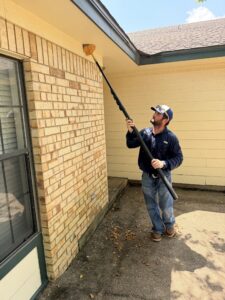
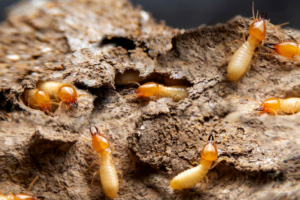
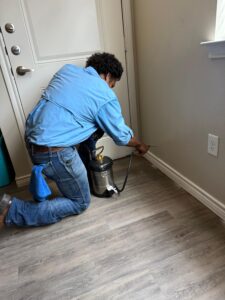
Quarterly pest control is designed to do more than respond to pests after they become obvious. A scheduled visit gives our technicians a chance to inspect changing conditions, look for fresh activity, reinforce protection, and address small problems before they become larger infestations. In Central Texas, seasonal shifts can change where ants, cockroaches, spiders, rodents, termites, mosquitoes, fire ants, fleas, bed bugs, bees, and other covered pests become active.
Our team uses each visit to compare current conditions with what we found previously. That continuity matters because moisture, landscaping, temperature, food sources, structural gaps, and pest pressure can change between appointments. A quarterly service is therefore both a treatment visit and a monitoring opportunity built around the property’s current needs.
The Visit Usually Starts With Inspection And A Review Of Recent Activity
A good quarterly visit begins with information. Our technicians may ask whether you have noticed new sightings, droppings, trails, bites, webs, noises, or other changes since the last service. We then inspect areas where pest pressure is most likely to develop, including exterior edges, entry points, garages, kitchens, utility areas, attics, and yard zones when relevant.
Our article on fall termite activity shows why seasonal conditions matter even when pests are not highly visible. Termites, for example, can remain active in protected areas despite cooler weather.
A quarterly inspection may include:
- Checking foundation edges, doors, vents, and utility penetrations
- Looking for trails, webs, droppings, nests, or fresh damage
- Reviewing moisture around plumbing, irrigation, and shaded exterior areas
- Inspecting garages, storage zones, and other low-disturbance spaces
- Comparing new evidence with earlier service notes
- Identifying changes that may require a different treatment approach
This review helps keep service focused on current evidence instead of applying the same treatment automatically every time.
Treatment Is Adjusted To The Pest Pressure Found That Day
Quarterly pest control is most effective when treatment responds to what the inspection reveals. Ant activity may call for a different approach than cockroaches, rodents, spiders, mosquitoes, or fire ants. Some problems may be concentrated around the perimeter, while others require attention to interior areas, yards, or specific entry points.
Our technicians use Integrated Pest Management principles to combine targeted treatment with prevention, sanitation guidance, habitat modification, and exclusion-minded recommendations when appropriate.
Depending on the visit, service may include:
- Treating exterior perimeter zones where pests are entering
- Addressing active interior areas supported by current evidence
- Placing baits, traps, or monitoring tools where appropriate
- Treating yard areas for specific outdoor pest pressure
- Removing webs or addressing recurring spider activity
- Recommending exclusion where gaps are contributing to repeat entry
The goal is not to use more product simply because the visit is scheduled. It is to use the right method in the right place based on what is happening at the property.
Follow-Up Notes Help Build Better Long-Term Protection
Quarterly service also creates a record of how pest pressure changes over time. That is especially useful for pests that can remain hidden. Our guide to commercial termite signs explains how mud tubes, discarded wings, weakened wood, and moisture-related evidence can indicate activity that deserves closer inspection.
A professional service record may help track:
- Areas where pest activity repeatedly returns
- Structural gaps that should be monitored or repaired
- Moisture conditions that continue supporting pests
- Seasonal changes in rodent, insect, or termite pressure
- Treatment areas that need rechecking at the next visit
- Conditions that have improved since earlier service
This history gives our technicians better context when deciding whether the plan should stay the same or change.
Homeowners can also expect practical guidance after the visit. If food storage, standing water, vegetation, clutter, damaged screens, or door gaps are contributing to pest pressure, our technicians can explain which changes are most useful. That guidance helps make the professional treatment more effective without shifting responsibility for pest elimination onto the homeowner.
Quarterly service does not mean every pest problem can wait until the next scheduled visit. Some issues deserve faster attention, particularly sudden rodent activity, stinging insects, bed bugs, serious cockroach problems, or signs that may indicate termites. If something significant appears between visits, professional follow-up can help determine whether the situation needs an earlier response.
Central Texas pest activity also changes with weather. Hot summers, rain, irrigation, cooler fall nights, and mild winter periods can all influence where pests move and how visible they become. Quarterly visits give our team regular opportunities to adjust the strategy as those conditions change instead of relying on a once-a-year snapshot.
The strongest long-term approach combines inspection, targeted treatment, prevention, monitoring, and communication. A quarterly schedule gives each of those steps a consistent place in the service plan. It helps our technicians stay familiar with the property, identify changes earlier, and respond to pest pressure before it has more time to spread.
Make Each Seasonal Visit Work Harder For Your Home
If you want consistent protection built around changing pest activity, contact Cen-Tex Pest Control for professional pest control, inspection, targeted treatment, monitoring, and scheduled follow-up.