Seasonal changes bring predictable shifts in pest behavior, and fall often marks the beginning of increased indoor activity. As temperatures cool and outdoor food sources decline, many fall pests begin seeking warmth, moisture, and shelter inside residential structures. While a single insect sighting may seem insignificant, repeated patterns often indicate a deeper pest infestation that requires timely attention. Understanding these warning signs helps homeowners stay proactive, especially during a season when pest pressure naturally increases.
This guide breaks down the most common indications of recurring fall pests, focusing on subtle clues that often go unnoticed. Recognizing these patterns early is one of the most effective ways to prevent structural damage, health hazards, and ongoing pest activity.

Seasonal Factors That Trigger Fall Pest Activity
Fall creates the perfect conditions for pests to migrate indoors. Cooler temperatures, increased humidity in some regions, and reduced daylight all influence pest behavior. Rodents, spiders, roaches, and ants adapt quickly when outdoor resources become limited. Homes become ideal habitats because they provide warmth, food, and moisture in concentrated areas.
Key environmental triggers include:
- Lower nighttime temperatures that drive pests indoors
- Yard disturbances, such as leaf litter or damp soil, that attract pests to exterior walls
- Reduced daylight that alters pest foraging activity and encourages nesting
- Seasonal moisture shifts that increase humidity around foundations or crawlspaces
Many homeowners overlook these environmental drivers, assuming pests appear randomly. In reality, seasonal movement is predictable, and understanding it improves early detection. Insights like those found in content that explains routine inspections reinforce the importance of regular evaluations during high-pressure seasons.
Indoor Clues That Point to Recurring Infestations
The most reliable warning signs come from subtle indoor changes. Fall pests often leave evidence long before they become visible. These indicators may seem harmless on their own, but together they signal that pest activity is ongoing rather than occasional.
Common indoor clues include:
- Small droppings behind appliances or inside cabinets
- Musty or unusual odors that come from wall voids or attic spaces
- Dead insects appearing repeatedly in the same areas
- Scratching or rustling sounds at night from the walls or ceiling spaces
- Grease marks or small trails along baseboards
- Shed wings or insect fragments in window tracks or corners
Pests such as roaches, rodents, and ants are experts at staying hidden. If signs appear in cycles or increase over time, it usually means the population is growing and spreading beyond a single entry point.
Exterior Warning Signs Around the Home
Before fall pests enter a structure, they typically gather around the property’s exterior. Many homeowners miss these early outdoor indicators, which often reveal where pests are building nests, feeding, or preparing to move indoors.
Exterior warning signs to watch for include:
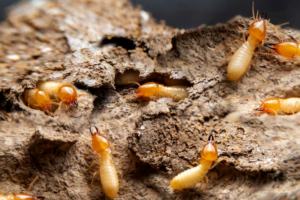
- Soft, decaying wood near the foundation or porch areas
- Holes or gnaw marks around utility lines, vents, or siding
- Increased spider webs around windows or gutters
- Ant trails leading into cracks, gaps, or door thresholds
- Burrow openings near landscaping or exterior walls
Fall pests commonly begin their activity outdoors before transitioning inside. Identifying these patterns early allows homeowners to reduce risk before the infestation becomes difficult to control. Monitoring outdoor areas is a simple yet effective step toward long-term protection.
Repeated Pest Sightings and Behavioral Patterns
Seeing a single pest may not be cause for concern, but repeat sightings often point to an active pest infestation. Pests behave systematically, following routine paths to food, water, and shelter. When sightings occur at similar times or in the same locations, it typically means pests have already established themselves nearby.
Patterns that indicate recurrence include:
- Roaches appearing after dark in kitchens or bathrooms
- Ants returning to the same food sources even after cleaning
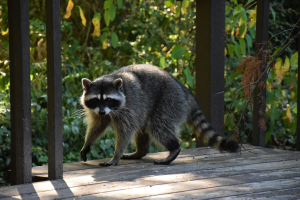
- Rodents appearing near outdoor trash areas and later indoors
- Spiders congregating in corners, basements, or attics
- Flying insects clustering around light sources or vents
Behavioral patterns help indicate not only the presence of pests but also the potential size of the infestation. When sightings persist over several days or weeks, it becomes increasingly important to address the root cause rather than the symptoms.
Why DIY Sprays Fail to Stop Recurring Fall Pests
Many homeowners attempt to fix recurring fall pests with store-bought sprays. While these products may temporarily reduce visible activity, they rarely eliminate the source of the problem. DIY sprays often target surface pests while missing nests, colonies, or hidden access points. Misapplication can also create resistance or worsen the issue by scattering pests into new areas.
Another concern is safety. Fall pests often hide in structural voids, insulation, and moisture-heavy spaces where chemicals should be used cautiously. Incorrect handling may expose households to unnecessary risks, which is why guidance similar to what is outlined in our content discussing DIY spray dangers helps emphasize the importance of safe practices.
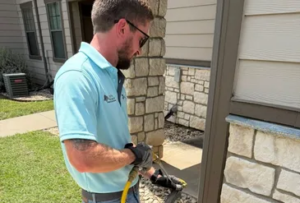
Professionals use tailored strategies designed to locate nests, disrupt breeding cycles, and prevent re-entry. This controlled approach is particularly important during fall, when pests are determined to secure warm shelter for the months ahead.
A Smart Step Toward a Pest-Free Fall
For dependable fall pest protection and expert inspection support, reach out to Cen-Tex Pest Control for effective seasonal solutions.