Many homeowners reach for over-the-counter cans and sprays when they spot insects crawling across a kitchen counter or skittering along a baseboard. While it may appear cost-effective at first glance, relying on DIY pest sprays often introduces unseen hazards and fails to address the underlying infestation. From improper product use to chemical exposure and incomplete coverage, the consequences of untrained treatment can escalate quickly.
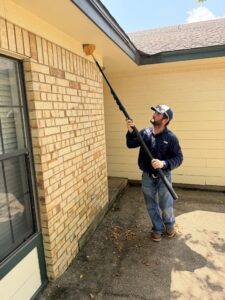
Professional pest control operates on the principle of accuracy, prevention, and long-term management. Trained technicians evaluate the full environment, including entry points, nesting zones, and structural vulnerabilities. They then apply precise treatments with safety protocols and follow-up strategies. Recognizing why DIY methods fall short helps elevate the importance of expert care.

Misconceptions About DIY Pest Sprays
Homeowners often assume that simply spraying the area where pests appear will solve the problem permanently. In reality, pests spend most of their time hidden in cracks, voids, or under flooring away from direct spray contact. Misapplication of DIY products also raises concerns about hazards to children, pets, and indoor air quality.
Common misconceptions include:
- Visible insects are equal to the only infestation zone
- Store-bought sprays will reach nesting sites
- One treatment is sufficient to prevent re-infestation
- No need for long-term monitoring after spraying
When a professional team is involved, the focus is on complete assessment and sustainable results. For example, the article on why DIY pest control fails explains how incomplete treatments often lead to worse outbreaks.
Hidden Risks of Improper Application
Applying insecticides without training involves more than just pointing and spraying. The wrong chemical concentration, inadequate ventilation, and lack of protective equipment increase the risk of poisoning, respiratory irritation, or contaminating sensitive areas like food preparation zones.
Key risks include:
- Overuse of chemicals, leading to resistant pest populations
- Ignored safety protocols, resulting in exposure to occupants or pets
- Inadequate coverage, leaving pest nests untouched
- Mislabelled or expired products, used without understanding of hazards
When professional pest control is used, technicians follow safety guidelines, calibrate equipment, and select the appropriate agent for each scenario, thus protecting both people and property.
Why DIY May Hide Larger Infestations
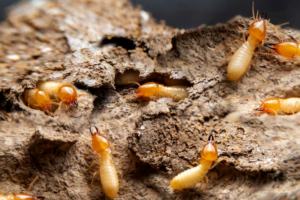
Sprays may knock down surface pests, creating the illusion of success. Yet underlying nests remain untouched, allowing pests to repopulate. When that happens, infestations surge and damage becomes harder to reverse. Effective control requires locating the source rather than only treating the symptom.
Signs that an infestation might be deeper than a DIY spray can reach include:
- Recurring pest sightings after treatment
- Suspect nesting sounds or damage behind walls
- Visible structural wear in crawlspaces or attic spaces
- Modules of seasonal pest activity, intensifying over time
Managing pest problems without a professional assessment is risky. Our services show the importance of an initial expert inspection, as discussed in our article on professional pest inspection savings, which outlines how early professional intervention can reduce long-term costs.
Benefits of A Professional Pest Control Approach
Professional pest control is rooted in methodical assessment, customized treatment, and ongoing maintenance. Rather than relying on sporadic DIY sprays, trained technicians provide tailored programs designed to detect, treat. and prevent pest activity for the long term.
Professional services typically involve:
- A full inspection to map pest access points and nests
- Selection of safe, EPA-approved products appropriate for the property
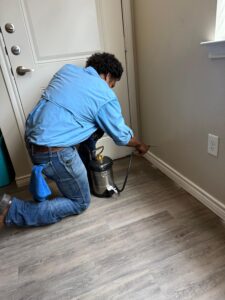
- Targeted treatment at junctions, cracks, voids, and entry pathways
- Follow-up visits and monitoring to ensure the infested colony is gone
- Recommendations for exclusion, sanitation, and structural improvements
This approach ensures that treatment extends beyond visible pests and addresses the entire ecosystem they rely on. It ultimately avoids future damage, repeated spray costs, and disruption.
Integrating Long-Term Prevention With Control
Controlling pests is not a one-time spray event; it is a continuous process that involves environmental management, regular inspections, and proactive prevention. Professional pest control companies understand that pests are influenced by climate, moisture, and structural conditions. Therefore, prevention must work hand in hand with treatment to achieve sustainable results.
DIY pest sprays might temporarily suppress pests, but without addressing contributing factors like standing water, poor sanitation, or open access points, infestations are bound to return. Long-term control programs, on the other hand, create a cycle of monitoring, evaluation, and intervention that adapts to seasonal patterns and pest behavior. This strategic approach reduces reliance on chemicals and keeps infestations from escalating.
Preventive strategies include:
- Regular inspection schedules matched to seasonal pest trends to identify potential risks before infestations occur.
- Seal entry points, install door sweeps, and repair foundational cracks to limit access to indoor areas.
- Maintain proper sanitation in kitchens, storage, and exterior zones to remove pest attractants like food residue and moisture.
- Coordinate treatments with other services like mosquito or fly control for complete coverage of high-risk zones.
- Review environmental conditions such as humidity, landscaping, and drainage to eliminate pest-friendly habitats.
These steps, combined with expert monitoring, ensure that pest problems are addressed at their source rather than treated reactively. Professional oversight also provides valuable data over time, allowing homeowners to understand recurring issues and make informed maintenance decisions.
A long-term prevention plan helps minimize future infestations, extends the effectiveness of treatments, and keeps indoor environments safer for families and pets. It transforms pest management from an emergency fix into a sustainable property care strategy.
Take the First Step Toward Safer Pest Management
Avoid the hidden pitfalls of DIY pest sprays by choosing an expert solution rooted in safety and lasting results. Contact Cen-Tex Pest Control today to arrange a professional inspection and build a tailored program for your home.