It starts with a single ant trail on the counter or the faint sound of scratching behind the walls. Many homeowners dismiss these as minor issues, assuming a quick cleaning or a store-bought trap will solve the problem. Unfortunately, small pest problems rarely stay small for long. In many cases, what seems insignificant today can escalate into a full-scale infestation that damages property, threatens health, and drains your finances.
Pests multiply quickly and thrive in environments where they go unnoticed. Understanding the real costs of ignoring early warning signs can help homeowners act before minor problems spiral into expensive repairs.

The Hidden Damage Behind Minor Pest Problems
Even the smallest pest activity can have larger implications than what meets the eye. Termites, rodents, and ants can compromise the structure of a home without being visible at first. By the time damage becomes apparent, repairs may already be extensive.
Here are common examples of how small pest issues lead to hidden damage:
- Termites: A few discarded wings or mud tubes might not seem urgent, but termites continuously feed on wood, compromising floors and walls from within.
- Rodents: Mice can chew through electrical wires, insulation, and pipes, creating fire hazards and structural weaknesses.
- Cockroaches: Even a few roaches can quickly become hundreds, contaminating food and surfaces with harmful bacteria.
- Ants: Colonies expand fast, nesting behind walls or beneath foundations where they’re difficult to remove.
What often begins as a minor annoyance can evolve into a long-term issue that weakens your property’s integrity and value. Early professional inspections can identify and resolve hidden infestations before they require costly restoration.
How Ignoring Pest Problems Affects Health
Pests aren’t just a nuisance; they also bring a wide range of health concerns. Many household pests carry allergens, bacteria, and viruses that can cause respiratory or skin reactions.
Neglecting minor infestations increases exposure risks such as:
- Allergic reactions: Cockroach droppings and shed skins can aggravate asthma, particularly in children.
- Food contamination: Rodents and ants can transmit bacteria like Salmonella or E. coli by walking over kitchen surfaces and pantry items.
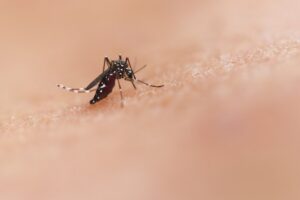
- Parasite spread: Fleas, ticks, and mosquitoes can transmit serious diseases to both humans and pets.
- Unhygienic buildup: Pest waste accumulates over time, creating unsanitary conditions that attract even more infestations.
Once pests multiply, cleanup becomes more complicated and hazardous. Attempting to handle infestations without professional help often spreads the problem rather than solving it. Many homeowners underestimate how ineffective over-the-counter treatments can be, leading to many DIY pest control risks.
Financial Impact of Delayed Pest Control
Ignoring pest problems can be far more expensive than addressing them early. What might cost a few hundred dollars for inspection and treatment can balloon into thousands in repairs, replacements, and secondary costs.
Financial consequences of delayed action include:
- Property damage: Termites and rodents can cause structural decay that demands professional repair or rebuilding.
- Electrical and plumbing issues: Rodents often chew through wires and pipes, leading to fire hazards and water leaks.
- Decreased home value: Persistent pest activity can deter potential buyers or lower resale prices.
- Reinfestation expenses: Without proper treatment, recurring infestations require multiple service calls and additional costs.
Annual pest management plans often save more money than reactive treatments. Homeowners weighing long-term options may find valuable insights in this comparison of our annual pest plans, which also explains how routine care prevents large-scale infestations and reduces emergency costs.
Why DIY Pest Control Fails Over Time
DIY pest control can seem appealing for small problems, but most store-bought solutions only target surface activity. They fail to address the breeding sites and nesting areas where pests multiply. As a result, infestations often return stronger than before.
Here’s why professional intervention is essential:
- Hidden colonies: Pests often live in inaccessible areas like crawl spaces, attics, or wall voids where DIY products can’t reach.
- Resistance buildup: Some species develop resistance to common sprays and traps, rendering them ineffective.
- Improper application: Overuse of pesticides can pose risks to children, pets, and the environment.
- Temporary relief: DIY products may kill visible pests but rarely destroy eggs or larvae, allowing the cycle to continue.
Professionals use integrated pest management techniques that eliminate infestations at the source while preventing future outbreaks. Their expertise ensures safety, precision, and long-term effectiveness—something most household treatments cannot guarantee.
The Long-Term Value of Preventive Pest Management
The best approach to pest control is prevention. Regular inspections and maintenance stop infestations before they begin, saving homeowners from both financial and emotional stress. Professional services are designed not only to eliminate pests but also to identify risk factors that make a home vulnerable.
Long-term pest management provides:
- Consistent monitoring: Routine inspections detect pest activity before it spreads.
- Customized solutions: Professionals tailor prevention strategies to the home’s layout and local pest behavior.
- Peace of mind: Knowing your property is regularly checked ensures ongoing safety and cleanliness.
- Health protection: Reduced exposure to pests minimizes the risk of allergies and disease.
Small pest problems may seem manageable at first glance, but prevention is always more affordable and effective than correction. Investing in consistent protection saves homeowners from unnecessary expenses and protects the comfort of their living spaces.
Don’t Let Small Problems Grow
A small pest issue can quickly escalate into a costly and stressful problem if left unchecked. Addressing pest problems early ensures your home stays healthy, safe, and protected from damage. For detailed inspections and reliable prevention plans, contact Cen-Tex Pest Control.