Homeowners often attempt to handle pest issues themselves, hoping to save money or avoid the inconvenience of scheduling professional services. While the motivation is understandable, DIY pest control can present significant dangers to your family’s health and safety. Misapplied treatments, overlooked infestations, and improper handling of chemicals can lead to more harm than good. In contrast, professional pest control ensures that infestations are managed safely, effectively, and with strategies that prevent recurring problems.

Health Hazards From Improper Chemical Use
DIY pest control products are widely available in stores, but most require careful handling and specific application methods to be effective. Without training, homeowners often misuse these products, which can create health risks inside the home.
- Chemical exposure: Overusing sprays or mixing incompatible products can release toxins that harm children, pets, and even adults.
- Improper placement: Applying treatments near food storage, play areas, or sleeping spaces increases the chance of accidental ingestion or contact.
- Ventilation concerns: Using indoor sprays in poorly ventilated rooms can lead to respiratory irritation, allergic reactions, or long-term complications.
- Mislabeling risks: Storing leftover products without proper labeling can result in accidental misuse later.
These hazards are avoidable when treatments are applied by trained experts who follow industry safety standards. Professional pest control reduces risks by using precise methods and products that are safe for household environments.
Ineffective Results That Prolong Infestations
One of the biggest drawbacks of DIY pest control is that it often fails to fully eliminate infestations. Killing a few visible insects rarely solves the problem, as most pests live in hidden colonies or reproduce rapidly.
- Missed nesting sites: Insects like ants or cockroaches may hide behind walls, in crawlspaces, or under flooring. Targeting only visible pests leaves the colony untouched.
- Temporary relief: Store-bought sprays may provide short-term results, but infestations usually return within days or weeks.
- Resistance issues: Some pests build resistance to common retail products, making them even harder to eliminate without stronger solutions.
- Incomplete strategies: DIY efforts often lack the preventive steps needed to stop future infestations.
For example, ants require species-specific control strategies. Without proper identification, homeowners risk using ineffective treatments that waste time and money.
Risks Of Overlooking Disease-Carrying Pests
Beyond property damage, pests can carry diseases that endanger family health. Rodents, mosquitoes, and cockroaches are known to spread bacteria, viruses, and parasites. In many cases, DIY methods do not address the root causes of these infestations, leaving families vulnerable.
- Rodents: Known to spread hantavirus, salmonella, and other pathogens through droppings and urine.
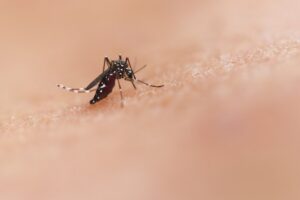
- Mosquitoes: Can transmit West Nile virus, Zika, and other serious illnesses if breeding sites are not eliminated. Practical advice, like eliminating mosquito breeding grounds, shows how overlooked areas around the yard can escalate into health risks.
- Cockroaches: Trigger asthma and allergies, especially in children, by contaminating surfaces and food sources.
Overlooking these dangers leads to higher medical costs and ongoing threats to household well-being. Professional pest control services evaluate these risks thoroughly and apply treatments that eliminate pests while reducing exposure to disease.
Long-Term Costs Of DIY Pest Control
What may appear as a money-saving approach often turns into a more expensive mistake. DIY pest control may temporarily delay infestations but rarely resolves them fully. Over time, this leads to costly repairs and recurring expenses.
- Structural damage: Termites and carpenter ants silently weaken wooden structures, for which repairs can run into thousands of dollars.
- Food contamination: Infested pantries result in wasted groceries and repeated cleaning expenses.
- Repetitive purchases: Constantly buying sprays, traps, or foggers without long-term results quickly adds up.
- Time and effort: Homeowners spend hours applying treatments, often with little success, while infestations worsen.
When viewed over months or years, investing in professional pest control saves more money than piecemeal DIY solutions. Trained technicians provide not just treatment but ongoing monitoring that prevents costly recurrences.
Why Professional Pest Control Is The Safer Choice
Choosing professional pest control means relying on experts who combine knowledge, training, and tools to protect your family effectively. Unlike DIY methods, professional approaches are comprehensive and designed for long-term success.
- Targeted treatments: Experts identify pest species accurately and use products that address their specific biology.
- Safe application: Professionals follow strict safety protocols, minimizing risks to people and pets.
- Preventive strategies: Beyond immediate elimination, they seal entry points and recommend practices to stop pests from returning.
- Ongoing monitoring: Regular inspections ensure small problems are caught before they become serious.
This holistic approach ensures peace of mind, protecting both your home and family from unnecessary risks.
Choose Safety Over Shortcuts
DIY pest control may seem convenient, but the risks to health, safety, and finances outweigh the temporary relief it offers. Investing in professional solutions ensures effective, lasting protection for your family.
Take The Safer Step Today
Keep your home safe from pests and their risks by contacting Cen-Tex Pest Control. Their expertise in professional pest control ensures your family is protected with safe, reliable solutions that last.