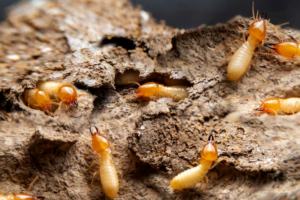
Termites can damage structural wood quietly, often before a homeowner notices a clear warning sign. Mud tubes, shed wings, hollow-sounding trim, and damaged wood can suggest activity, but these clues do not show the full location, age, or extent of an infestation. Some signs may also resemble ant activity, water damage, wood decay, or ordinary building wear.
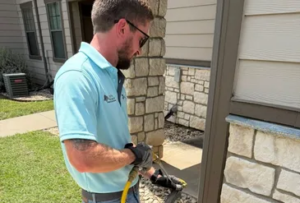
Professional termite inspections go beyond visible symptoms. Trained technicians evaluate the entire property, including foundation edges, soil contact, moisture conditions, crawl spaces, garages, wall-side areas, and structural wood. This evidence-based process helps determine whether termites are active, where they are entering, and which treatment or prevention plan fits the building.
DIY Signs Can Point Toward A Problem
Homeowners may notice early evidence during cleaning, repairs, landscaping, or routine maintenance. These observations are useful because they can prompt a timely inspection. However, no single sign proves how large the colony is or whether activity remains current.
Potential warning signs include:
- Mud tubes along foundations, slabs, supports, or wall edges
- Shed wings near doors, windows, vents, or light sources
- Wood that sounds hollow or breaks along internal galleries
- Bubbling paint, uneven flooring, or unexplained surface changes
- Swarmers emerging indoors or close to the structure
Even apparently damaged wood may have several possible causes. Disturbing tubes or opening walls without a clear plan can remove useful evidence while leaving concealed routes untouched.
Professional Inspections Follow Evidence Beyond The Surface
A trained inspector looks at how the building, soil, moisture, and wood connect. The company’s guide to expert termite checks explains why termites can remain hidden behind walls, beneath flooring, and around foundation routes long before obvious damage appears.
Technicians compare visible clues with construction details and environmental conditions. They may examine plumbing areas, irrigation zones, roof drainage, crawl spaces, attached garages, patios, utility penetrations, and landscaping beside the foundation. This wider review helps separate active termites from old damage or unrelated moisture problems.
Professional findings also guide the next step. A property with one isolated risk condition may need monitoring, while confirmed colony activity may require targeted treatment and follow-up.
Specialized Knowledge Improves Identification And Documentation
Termites and ants can both produce winged reproductives, and soil markings may be difficult to interpret without training. Professionals assess body shape, wing proportions, tube construction, wood galleries, frass, moisture, and activity patterns before identifying the pest.
A complete inspection may include:
- Distinguishing subterranean termite evidence from ants or wood decay
- Checking accessible structural wood for hidden galleries and weakness
- Separating older evidence from fresh mud, damage, or swarm activity
- Mapping vulnerable areas for treatment, repairs, and future monitoring
- Recording findings so changes can be compared during follow-up
Documentation is especially valuable during real-estate transactions, renovations, or recurring service. It gives property owners a clearer record of what was observed, which areas could not be accessed, and what recommendations were based on confirmed conditions.
Pre-Treatment Shows Why Timing And Access Matter
New homes are not automatically protected from termites. Soil contact, framing, construction gaps, moisture, and landscaping can create future access even when a building is newly completed. The benefits of early termite protection demonstrate why professional planning often begins before slabs, walls, and finishes make key areas inaccessible.
Pre-construction termite work may address:
- Soil beneath or around foundation areas before concrete is poured
- Structural connections where hidden entry could develop
- Framing with approved borate-based preventive treatments
- Documentation required for construction schedules and inspections
- Long-term monitoring after the building is occupied
This work requires correct timing, approved materials, licensing, and coordination with builders. It also shows why surface observations alone cannot replace technical knowledge about how termites reach and move through a structure.
Treatment Decisions Depend On A Full Property Assessment
Professional termite inspections are valuable because treatment should match the termite species, property design, infestation extent, and environmental conditions. Applying material only where damage is visible may miss soil routes, nearby galleries, moisture sources, or additional affected wood.
A professional plan can combine targeted colony treatment, soil applications, wood treatments, preventive options, repairs, and ongoing monitoring. Pre-treatment for new residential and commercial construction may include soil beneath slabs, foundation perimeters, and accessible framing before drywall installation.
Inspection also helps prioritize repairs. Replacing visibly damaged wood before the termite source is understood can conceal evidence or leave active areas nearby. Technicians can coordinate treatment findings with contractors, so structural work occurs in the proper sequence and does not interrupt the control plan.
Follow-up matters because conditions change. Heavy rain, plumbing leaks, landscaping work, foundation settling, and new wood-to-soil contact can create vulnerabilities after an earlier inspection. Technicians can compare new findings with documented evidence and adjust protection when needed.
DIY signs remain useful as alerts, but they are not a complete diagnostic system. The strongest decision comes from combining homeowner observations with professional inspection, accurate identification, property-specific treatment, and long-term monitoring.
Turn Suspicion Into A Clear Termite Plan
Contact Cen-Tex Pest Control for professional termite inspections, targeted treatment, new-construction pre-treatment, and dependable follow-up.