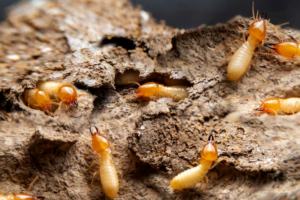
A termite infestation in a commercial building can develop quietly for months before the damage becomes obvious. Commercial properties may contain structural wood, wall voids, moisture sources, or soil-contact areas that termites can use without drawing attention.
For property managers and business owners, early recognition matters because concealed activity can expand before repairs are planned. Professional termite inspections help separate active infestation from old damage and identify which parts of the structure need closer evaluation. Knowing the warning signs gives managers a better chance to act while treatment options remain focused.

Mud Tubes And Swarmers Can Signal Active Termite Pressure
Subterranean termites commonly travel between soil and a structure through mud tubes that protect them from open air. These tubes may appear along foundations, expansion joints, plumbing penetrations, wall edges, or other sheltered surfaces.
Other visible warning signs include:
- Mud tubes along foundations or structural supports
- Winged termites appearing near windows or lights
- Discarded wings collecting around doors or vents
- Small areas of damaged or weakened wood
- Bubbling paint or unexplained surface changes
- Repeated activity near soil-contact areas
These clues should not be dismissed simply because the affected area looks small. The discussion of early termite damage explains why visible signs may represent only a fraction of the activity occurring behind walls, beneath flooring, or inside structural wood.
Hollow Or Weakened Wood Deserves Professional Evaluation
Termites often consume wood from the inside, leaving a thin outer surface that can look normal until the material is tapped, pressed, or disturbed. In a commercial property, this may affect trim, framing, door surrounds, flooring systems, storage areas, or other structural components.
Wood that sounds hollow, feels soft, breaks easily, or shows internal galleries deserves closer inspection. Uneven flooring, weakened trim, or doors that suddenly fit differently can also justify evaluation, especially when other termite signs are present.
A professional inspection helps determine whether the damage is active, historic, or related to another moisture or structural issue. That distinction matters because repairing damaged material before active termites are addressed can conceal evidence and complicate treatment planning.
Moisture And Building Conditions Can Increase Termite Risk
Commercial buildings often have complex plumbing, irrigation, drainage, landscaping, and utility systems. Moisture around these areas can create favorable conditions for termite activity, particularly when wood or cellulose materials are nearby.
High-risk conditions can include:
- Leaking plumbing near walls or foundations
- Irrigation repeatedly wetting soil beside the building
- Wood materials stored directly against soil
- Mulch or landscape features touching structural surfaces
- Poor drainage that keeps foundation areas damp
- Construction changes that create concealed access points
These conditions do not prove that termites are present, but they can increase vulnerability. Property managers should consider both the insects and the conditions supporting them. Professional inspection can connect visible evidence with moisture, soil contact, and structural access so termite control is based on the actual risk profile of the property.
Professional Inspections Help Define How Far Activity Has Spread
A commercial building can contain multiple concealed spaces, making surface-only checks unreliable. Termites may travel through walls, flooring systems, utility areas, crawl spaces, garages, and foundation transitions before obvious damage appears.
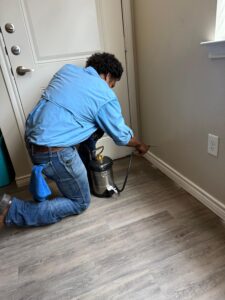
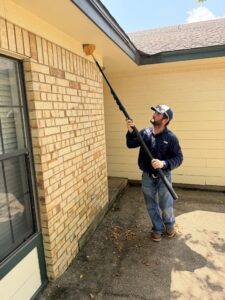
A professional termite inspection evaluates more than one damaged board or visible mud tube. Inspectors follow evidence into areas where moisture, wood, and soil contact increase the likelihood of activity. They also distinguish current infestation from older damage and identify areas that may require monitoring.
That broader view is particularly valuable in commercial settings because treatment may need to account for tenants, employees, inventory, operating hours, or ongoing construction. Accurate mapping keeps treatment focused on confirmed activity.
Long-Term Termite Management Depends On Follow-Up
Termite treatment should not end with the first application or repair. Commercial properties change over time as landscaping grows, plumbing ages, tenants modify spaces, and maintenance work creates new structural conditions.
A long-term plan may include:
- Rechecking previously active termite areas
- Monitoring foundations and soil-contact zones
- Correcting moisture and drainage concerns
- Reviewing structural repairs for new access points
- Scheduling periodic inspections based on property risk
- Documenting treatment and follow-up findings
Current termite services can include treatment for active infestations, protection for termite-free structures, and pre-construction options involving soil, slab perimeters, and framing. The appropriate strategy depends on the building, activity level, and construction type.
For commercial properties, documentation is especially useful because maintenance decisions may involve owners, managers, contractors, and tenants. A clear inspection record helps everyone understand what was found, what was treated, and what conditions should be watched next.
The strongest response to a suspected termite infestation is early, evidence-based, and professionally documented. Mud tubes, swarmers, discarded wings, weakened wood, surface changes, and moisture-related risk should prompt evaluation before damage becomes more extensive. Professional inspection provides the information needed to choose treatment efficiently and protect the building over the long term.
Catch Termite Problems Before They Expand
If your commercial building shows possible termite activity, contact Cen-Tex Pest Control for professional inspection, targeted termite control, prevention, and follow-up tailored to Central Texas properties.