Few pests can cause as much long-term damage as termites. These silent invaders work steadily beneath surfaces, feeding on wood and compromising structural integrity long before visible signs appear. When homeowners discover activity, choosing the right termite treatments becomes essential for protection and peace of mind.
Two of the most common methods are soil treatments and wood treatments. Both approaches aim to eliminate active colonies and prevent future infestations, but they work in different ways and suit different situations. Understanding how each option functions helps homeowners make informed decisions that protect their property for the long run.
Understanding the Threat: How Termites Invade
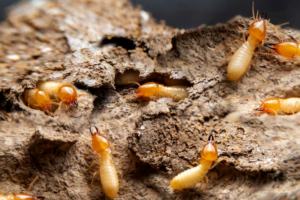
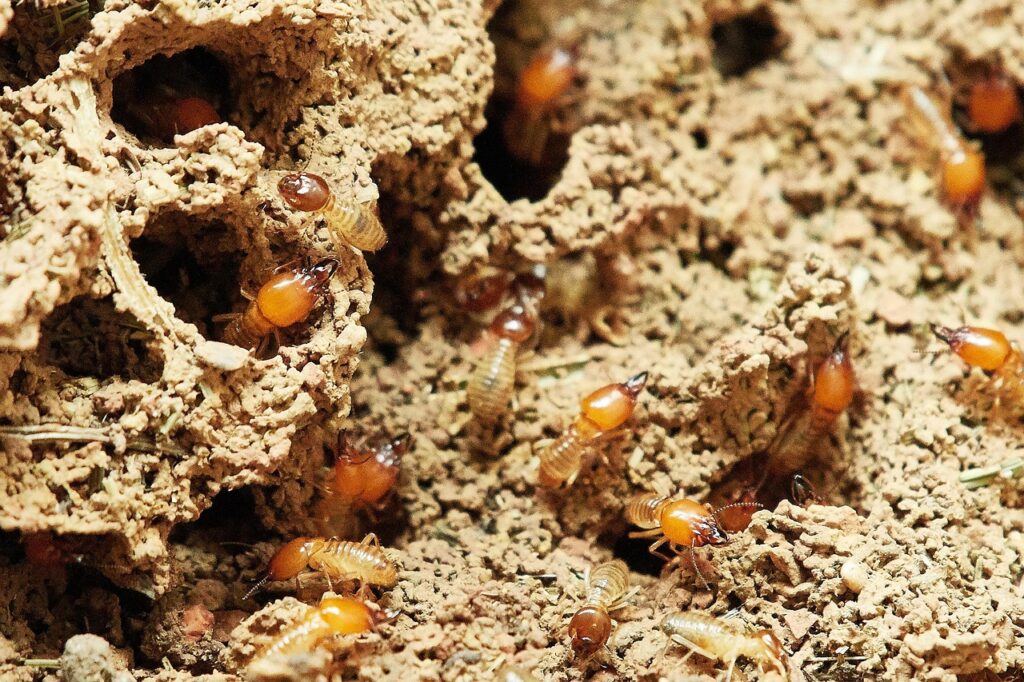
Before deciding between soil or wood termite treatments, it is important to understand how termites gain access to structures. Subterranean termites, the most common species in many regions, live underground and enter buildings through cracks, gaps, or foundations in search of cellulose-based materials. Drywood termites, on the other hand, can establish colonies directly within wooden structures without needing soil contact.
These behaviors influence the choice of treatment: soil treatments target the subterranean routes of entry, while wood treatments focus on infested or vulnerable timber within the structure. Recognizing early warning signs can make all the difference. Spotting termite activity by learning how to identify termite mud tubes, for instance, is critical, as these are often the first visible sign of an underground infestation.
Soil Termite Treatments: Building a Barrier Below
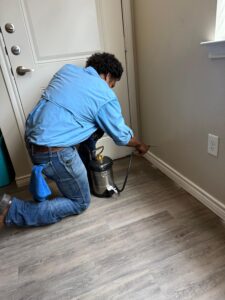
Soil treatments remain one of the most trusted and effective methods for defending against subterranean termites. This process involves creating a treated barrier around and beneath a structure’s foundation to block termite entry and eliminate colonies that contact it.
Here’s how professional soil termite treatments typically work:
- A termiticide is applied in a continuous band around the home’s foundation, footings, and crawl spaces.
- The soil absorbs the product, forming a chemical shield that termites cannot cross without exposure.
- As termites tunnel through treated areas, they either die on contact or transfer the termiticide back to the colony, ensuring comprehensive control.
Advantages of soil-based treatments include:
- Long-term protection: Many formulations last for years before reapplication is necessary.
- Colony impact: The slow-acting nature of the chemicals allows for spread within termite populations.
- Preventive strength: Effective even before termites have invaded, making it ideal for new construction.
However, soil treatments require proper application depth and even coverage, which can only be achieved with professional equipment and expertise. Incorrect application can leave untreated gaps that termites may exploit.
Wood Termite Treatments: Protecting the Structure Itself
Wood treatments, as the name implies, focus on treating the actual material termites feed on. This approach is particularly effective for localized infestations or as a preventive measure in wood-rich structures.
These treatments come in several forms:
- Surface Sprays: Applied directly to exposed wooden areas, creating a protective layer that kills or repels termites.
- Injected Foams and Liquids: Used inside walls, beams, or voids where termites are active or nesting.
- Borate-Based Preservatives: Penetrate deep into the wood fibers, offering long-lasting defense against termites and other wood-boring insects.
Benefits of wood termite treatments include:
- Localized precision: Targets infested areas without affecting surrounding soil or landscaping.
- Long-lasting protection: Treated wood remains resistant for years, even in humid conditions.
- Safety: Many borate-based treatments are low in toxicity for humans and pets when properly applied.
Although effective, wood treatments may not fully stop subterranean termites if soil access points remain untreated. Combining both soil and wood methods often provides the most comprehensive defense.
Choosing the Right Treatment for Your Home
Selecting between soil and wood termite treatments depends on several factors, including termite type, structural design, and the severity of infestation. A professional termite inspection is the most reliable way to determine which method or combination is best suited to your property.
When evaluating treatment options, consider the following:
- Type of Termite: Subterranean termites usually require soil treatments, while drywood termites respond better to wood applications.
- Extent of Damage: Widespread or hidden infestations often need soil treatment to address colony sources.
- Foundation Type: Homes with crawl spaces, slabs, or basements may benefit from customized soil barriers.
- Climate and Moisture Levels: High humidity and frequent rainfall can influence how termiticides perform over time.
Ignoring even a small termite problem can lead to exponential damage since minor infestations can escalate into costly repairs when early action is delayed.
Professional pest specialists use advanced tools such as moisture meters, detection rods, and thermal imaging to pinpoint termite activity before recommending treatment. This diagnostic process ensures that no part of the structure is left vulnerable.
Why Professional Termite Treatments Deliver Lasting Protection
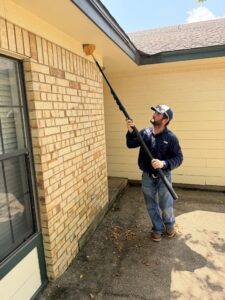
While over-the-counter termite products may seem appealing, they often lack the precision and depth required for long-term success. Professional pest control technicians use licensed termiticides, application equipment, and safety protocols that meet regulatory standards. They also understand how soil composition, construction type, and moisture affect treatment performance.
Key benefits of professional termite treatments include:
- Accurate identification of termite species and activity levels.
- Customized treatment plans based on building structure and risk assessment.
- Use of commercial-grade termiticides with proven longevity.
- Preventive follow-ups and warranties that guarantee continued protection.
Professional application ensures that barriers remain consistent, coverage is complete, and the risk of re-infestation is minimized. For many homeowners, this expertise provides lasting peace of mind and significant savings compared to repairing termite damage later.
Safeguard Your Home from the Ground Up
Termite prevention requires more than a single treatment; it requires a strategy. Whether your home needs soil protection, wood treatment, or both, a professional approach ensures the problem is addressed at its source. Acting early can protect your investment and preserve your home’s structural integrity for years to come.For a complete inspection and expert evaluation, contact Cen-Tex Pest Control. Schedule your termite protection consultation today and discover how advanced termite treatments can keep your home secure from the inside out.