Apartment living is designed for convenience and community, but it also creates unique challenges when it comes to pest management. With shared walls, interconnected plumbing, and communal areas, a problem in one unit can spread rapidly to others. Unlike single-family homes, where pests are more contained, apartment complexes demand a coordinated and continuous approach to pest control.
Beyond the inconvenience of seeing pests, infestations in apartment buildings can quickly become serious. They affect health, reduce property values, and compromise tenant satisfaction. Because so many people live in close quarters, prevention and timely intervention are essential.

Health Risks for Residents
Pests bring more than just discomfort, they introduce significant health hazards. In high-density environments like apartment complexes, a single infestation can affect dozens of families, amplifying the risks.
Common health threats include:
- Cockroaches: Spread allergens and trigger asthma, particularly in children and sensitive individuals.
- Rodents: Contaminate food with droppings, gnaw on surfaces, and transmit dangerous diseases.
- Bed bugs: Cause skin irritation, psychological stress, and sleepless nights.
- Mosquitoes and flies: Carry bacteria and viruses, spreading illness across units and common spaces.
These risks are magnified in communal areas such as gyms, laundry rooms, and shared patios. Protecting outdoor gathering spaces is also essential; knowing how to protect patios from flies is one way complexes can safeguard tenants’ health and improve comfort.
Structural Concerns in Shared Buildings
Infestations do not just affect residents; they also threaten the integrity of the property itself. Large buildings with shared walls and utility lines offer pests countless pathways to move undetected. Without consistent pest control, the long-term costs of damage can be severe.
Structural concerns include:
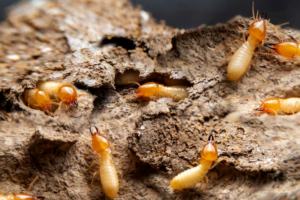
- Termites: Undermine the stability of wooden framing, flooring, and roofs.
- Rodents: Gnaw through wiring, creating fire hazards and costly electrical repairs.
- Carpenter ants: Weaken wooden beams and supports over time.
- Moisture pests: Thrive in leaky areas, compounding water damage in older complexes.
Termites pose a particularly serious threat in Texas and surrounding regions. Understanding why termites thrive illustrates the urgency of addressing infestations before they escalate. Left unchecked, even a modest termite problem can lead to extensive repairs that disrupt tenants and strain budgets.
Resident Comfort and Satisfaction
No tenant wants to deal with pests, and infestations are one of the fastest ways to create dissatisfaction in apartment complexes. For property managers, maintaining resident comfort is directly tied to lease renewals and long-term occupancy.
Pests disrupt daily life in several ways:
- Food contamination: Kitchens and pantries become unsafe when pests are present.
- Noise and activity at night: Rodents and insects often disturb residents while they sleep.
- Damage to belongings: Furniture, clothing, and personal items can be ruined.
- Visible infestations: Droppings, webs, or live pests cause embarrassment and discomfort.
Resident satisfaction is not just about maintaining appearances. It is about fostering trust that management is proactive in keeping their environment clean, healthy, and livable. Tenants who feel secure in their homes are far more likely to renew leases, reducing turnover costs for property owners.
The Importance of Preventive Measures
Addressing pest problems only after they appear is costly and disruptive. Preventive strategies offer better protection for both residents and property managers. They also allow for smaller, more manageable interventions before infestations spread.
Key preventive measures include:
- Sealing cracks and entry points in walls, floors, and ceilings.
- Maintaining communal areas with regular cleaning and inspections.
- Managing landscaping to reduce harborage for outdoor pests.
- Monitoring waste disposal areas to limit rodent and insect activity.
Preventive pest control does more than protect residents; it saves time and money for property owners. The cost of routine maintenance is always less than emergency treatments and major structural repairs caused by unchecked infestations.
Why Professional Management Is Essential
While tenants may attempt DIY solutions, these are rarely sufficient in large-scale complexes. One resident’s efforts cannot prevent pests from spreading through adjoining walls, ventilation systems, or shared plumbing. Professional oversight ensures a coordinated approach that protects every unit and common area.
Professional pest control offers:
- Comprehensive inspections to identify vulnerabilities throughout the complex.
- Targeted treatments designed for multi-unit properties.
- Long-term monitoring that ensures infestations do not return.
- Proven methods that are safer and more effective than store-bought options.
DIY efforts are often temporary, addressing only the pests that can be seen. The deeper issue lies in hidden nests, pathways, and breeding grounds. When evaluating why DIY efforts fail, it becomes clear that professional expertise is necessary to ensure lasting results.
Protect Your Community with Confidence
Apartment complexes require more than quick fixes. Consistent pest control keeps residents healthy, preserves property, and ensures long-term satisfaction. Safeguard your community by contacting Cen-Tex Pest Control today for expert solutions tailored to multi-family living.